All Categories
Featured
Table of Contents
- – United Constructors Inc.
- – What Is a Realistic Remodeling Timeline?
- – Average Durations by Project Type
- – Why Bay Area Projects Differ from National Av...
- – Building in Realistic Buffers
- – How Long Does Planning and Permitting Take in ...
- – Key Steps in the Planning Phase
- – Contra Costa County Permitting Process Details
- – Common Delays and Prevention Strategies
- – Impact on Overall Remodeling Timeline
- – What Are the Main Phases of a Home Remodel Tim...
- – Phase 1 – Vision and Feasibility
- – Initial Consultations
- – Feasibility Assessment
- – Phase 2 – Design and Documentation
- – Team Assembly
- – Phase 3 – Demolition and Rough Work
- – Structural Adjustments
- – Phase 4 – Installations and Finishes
- – Custom Elements
- – What Causes Delays in Bay Area Remodeling Time...
- – Permitting and Inspection Bottlenecks
- – Material Lead Times and Supply Chain Issues
- – Scope Creep and Change Orders
- – Weather and External Factors
- – How Do Specific Services Fit into the Remodeli...
- – Kitchen Remodeling Timeline Breakdown
- – Bathroom Remodeling Timeline Details
- – Whole House and Addition Timelines
- – Flooring and Exterior Integration
- – How Seismic Retrofitting and Code Compliance A...
- – Seismic Requirements in Contra Costa County
- – Energy-Efficient and Accessibility Standards
- – Integration with Overall Phases
- – Areas We Serve Throughout Contra Costa County ...
- – Frequently Asked Questions About Remodeling Ti...
- – How long does a kitchen remodel take in Contr...
- – What causes the most delays in Bay Area remod...
- – How much buffer should I build into my remode...
- – Does seismic retrofitting extend the timeline...
- – What is the average whole house remodeling ti...
- – How long does a bathroom remodel take?
- – How do permits affect the remodeling timeline...
- – What is the best way to avoid remodeling delays?
- – How does material lead time impact the timeline?
- – What should I expect during the final walkthr...
- – We Can Help! Contact Us Today
- – United Constructors Inc.
Most homeowners have stood in your local Contra Costa home—perhaps in Danville, Pleasant Hill, or San Ramon—envisioning updates that better fit your current needs. An updated kitchen, better-flowing open floor plan, or refreshed bathroom has the power to redefine everyday living. The excitement is real, but so is the concern: how long will a remodeling timeline take? How long is a realistic home remodeling timeline in the Bay Area? These questions arise for nearly every homeowner along the I-680 freeway corridor. Remodeling involves disruption—dust everywhere, constant noise, makeshift kitchens—and stories of projects dragging on fuel hesitation. Plenty of homeowners achieve great remodel outcomes when expectations align with reality. A standard remodeling timeline depends on project size: kitchen remodeling timeline often three to six months, bathroom remodeling timeline 2–4 months, full house remodeling timeline six to eighteen months. Within Contra Costa County, local elements like permitting, seismic retrofitting, and Title 24 compliance increase project time compared to national averages. Many feel this same mix of excitement and worry. Through clear phases, open communication, and smart contingency planning, the process shifts from overwhelming to predictable. Knowing the renovation phases, typical delays, and sensible buffers transforms worry into confidence. This resource explains everything about construction timeline planning and realistic expectations, including major phases, regional factors, delay avoidance, service sequencing, and additional insights to help you plan confidently and move forward without fear.
The majority of homeowners begin their remodeling process with real anticipation for the transformed home: a kitchen remodeling timeline featuring open-concept flow into living spaces, a luxurious bathroom remodeling timeline featuring frameless glass and radiant heating, or a comprehensive whole house remodeling timeline that transforms everyday family life. But the real question is always the same: how much time will the project truly require? A practical remodeling timeline delivers the clarity required to reach well-informed choices, manage contractor schedules, and prepare your family and home. In the Bay Area, where regulations and supply chains add complexity, careful planning takes on greater significance. This resource carefully explains all facets of construction timeline planning so you can proceed with certainty.
What Is a Realistic Remodeling Timeline?
A dependable remodeling timeline represents a thorough, phased schedule that balances ambitious project goals with practical realities, covering design work, approvals, construction activities, inspections, and planning for potential surprises. Unlike generic national estimates, a genuinely realistic remodeling timeline considers Bay Area-specific elements such as stringent seismic codes, Title 24 energy requirements, multi-jurisdiction permitting delays, and fluctuating material lead times. Harvard Joint Center for Housing Studies research shows consistent demand for home improvements, yet Contra Costa County remodels frequently extend 20–40% beyond national norms. Homeowners searching how long does a remodeling timeline take or average home remodel duration need precise, location-specific answers. A strong remodeling timeline includes 15–30% contingency buffers to protect against weather interruptions, inspection backlogs, supply chain issues, or hidden structural conditions discovered mid-project. Realistic expectations avoid budget surprises, ease emotional pressure, and enable effective planning for temporary living setups. Open timelines build confidence between homeowners and contractors, converting what might feel stressful into a methodical, reliable journey toward a completely renewed living space.
Average Durations by Project Type
Kitchen remodeling timelines generally cover 3–6 months, encompassing design coordination, plumbing/electrical rough-ins, custom cabinetry installation, quartz countertop placement, and final finishes. The bathroom remodeling timeline averages 2–4 months, concentrating on waterproofing, proper fixture sequencing, walk-in shower systems, radiant floor heating, frameless glass doors, floating vanity installation, and eco-conscious fixtures. Whole house remodeling timelines typically extend from 6–18 months, encompassing structural modifications, open floor plan conversions, foundation repair, full mechanical updates, multi-room finishes, and exterior coordination.
Why Bay Area Projects Differ from National Averages
Title 24 standards mandates comprehensive calculations and inspections that most national projects bypass. Seismic reinforcement demands engineering evaluation and structural upgrades not usually required outside California. Multiple permitting authorities in Contra Costa County create additional review layers. These regional requirements substantially extend Bay Area remodeling timelines.
Building in Realistic Buffers
A 15–30% contingency is standard industry practice. It protects against material delays, inspection backlogs, or hidden structural issues. This practice protects budgets and reduces homeowner stress across the entire remodeling timeline.
Reliable timelines build confidence and ease worry. Reach out for a complimentary timeline review customized for your Contra Costa County property. Explore how we handle project management here and our team expertise here.
How Long Does Planning and Permitting Take in Contra Costa County?
Planning and permitting form the critical pre-construction backbone of every renovation timeline, often representing the longest non-construction phase. In the Contra Costa County area, this period commonly lasts 2–6 months, especially when structural changes or additions are involved, leaning toward the upper range. Early engagement during design, budget setting, and permit preparation eliminates expensive changes later. Many homeowners undervalue this critical step, however it ultimately governs project viability, budget precision, and when construction can actually begin. Local departments insist on detailed packages containing Title 24 compliance calculations, seismic engineering plans, zoning approvals, and structural assessments. Experienced contractors create detailed, regulation-ready packages that accelerate approvals and protect the full remodeling timeline. Failing to plan early or providing partial documentation typically creates the most serious timeline setbacks.
Key Steps in the Planning Phase
Developing the initial vision sets clear project goals and parameters. Site assessment reveals current conditions and limitations. Preliminary budgeting aligns expectations with realistic costs. Material selection considers lead times, durability, and code compliance. These steps form the foundation for a smooth remodeling timeline.
Contra Costa County Permitting Process Details
Online submission portals streamline initial filings, though Title 24 submissions need comprehensive energy analysis. Seismic engineering clearance is required for structural changes. Plan reviews vary by project complexity and jurisdiction workload. Thorough preparation ensures faster processing and minimizes back-and-forth.
Common Delays and Prevention Strategies
Partial plans, absent calculations, or vague details prompt correction requests. Deliver fully comprehensive submissions right away. Work with knowledgeable professionals familiar with local rules and who predict reviewer concerns. Prompt resolution preserves the overall remodeling timeline.
Impact on Overall Remodeling Timeline
Delays in permitting push back construction start times. Prompt handling keeps subsequent phases moving and prevents costly trade idle periods. Good coordination maintains the complete remodeling timeline integrity.
Effective planning accelerates the whole project and prevents unexpected issues. Get in touch today for expert help with your local permitting timeline. Explore our kitchen and bathroom remodeling services here and our expertise in ADUs and remodels here.
What Are the Main Phases of a Home Remodel Timeline?
A successful remodeling timeline follows a clear, logical sequence of phases from initial concept through final handover. Each stage features clear deliverables, important milestones, and necessary dependencies that help homeowners follow progress and organize accordingly. In the Bay Area, seismic retrofitting, energy upgrades, and accessibility features integrate naturally into these phases. Comprehending the entire progression aids in temporary living coordination, expectation setting, and preserving realistic schedules throughout the project. Good phase management allows trades to coordinate well, decreasing overlaps and idle time.
Phase 1 – Vision and Feasibility
Goal setting defines lifestyle needs and project scope. Site evaluation examines existing conditions and uncovers possibilities. Preliminary budgeting offers early financial understanding. These initial actions avoid misalignment and expensive revisions later in the remodeling timeline.
Initial Consultations
Talk through scope, preferences, and limitations candidly. Align vision with practical realities. This exchange creates clear direction from the outset.
Feasibility Assessment
Zoning review confirms allowable alterations. Structural evaluation reveals reinforcement requirements. Preliminary engineering outlines requirements. These reviews establish project feasibility at the outset.
Phase 2 – Design and Documentation
Thorough plans take shape with precise details and regulatory compliance. 3D renderings display outcomes and enable refinements. Material choices finalize finishes, longevity, and code compliance. This phase solidifies the project direction and prevents downstream revisions.
Team Assembly
Architects provide innovative design expertise. Engineers manage structural calculations and regulatory requirements. Specialized consultants cover distinctive features like accessibility or energy standards. Team collaboration guarantees thorough planning.
Phase 3 – Demolition and Rough Work
Selective demolition removes outdated elements safely. Framing builds the updated structural skeleton. Rough-in work places necessary plumbing, electrical, and HVAC infrastructure. This phase reconfigures the space and readies it for final touches.
Structural Adjustments
Removing load-bearing walls creates open living spaces. Beam upgrades reinforce structural frameworks. Foundation preparation enables additions or heavy structural changes. These changes build a strong foundation for remaining work.
Phase 4 – Installations and Finishes
Drywall placement closes wall cavities. Flooring adds warmth and durability. Cabinetry and fixtures create usable features. Painting finishes the visual appearance. This phase transforms the design into reality.
Custom Elements
Quartz surfaces deliver lasting beauty. Custom cabinetry optimizes storage while enhancing style. Smart home integration enhances convenience and efficiency. These elements raise the overall quality.
Clearly structured phases create predictable advancement and peace of mind. Reach out to map the phases tailored to your remodel. See our windows, doors, and floors services here, our electrical and plumbing knowledge here, and our interior/exterior painting services here.
What Causes Delays in Bay Area Remodeling Timelines and How to Avoid Them?
Delays stand as the top homeowner concern for homeowners beginning home improvement projects, however the vast majority come from predictable and preventable factors. In the Contra Costa area, permitting queues, supply shortages, scope changes, and inspection scheduling top the causes. Weather variability impacts outdoor elements. Unexpected conditions like dry rot, outdated electrical, or asbestos commonly emerge during demolition. Proactive strategies—early material procurement, finalized design decisions, flexible scheduling, and strong communication—preserve timelines and protect budgets. Addressing potential issues early converts stress into a structured, reliable process.
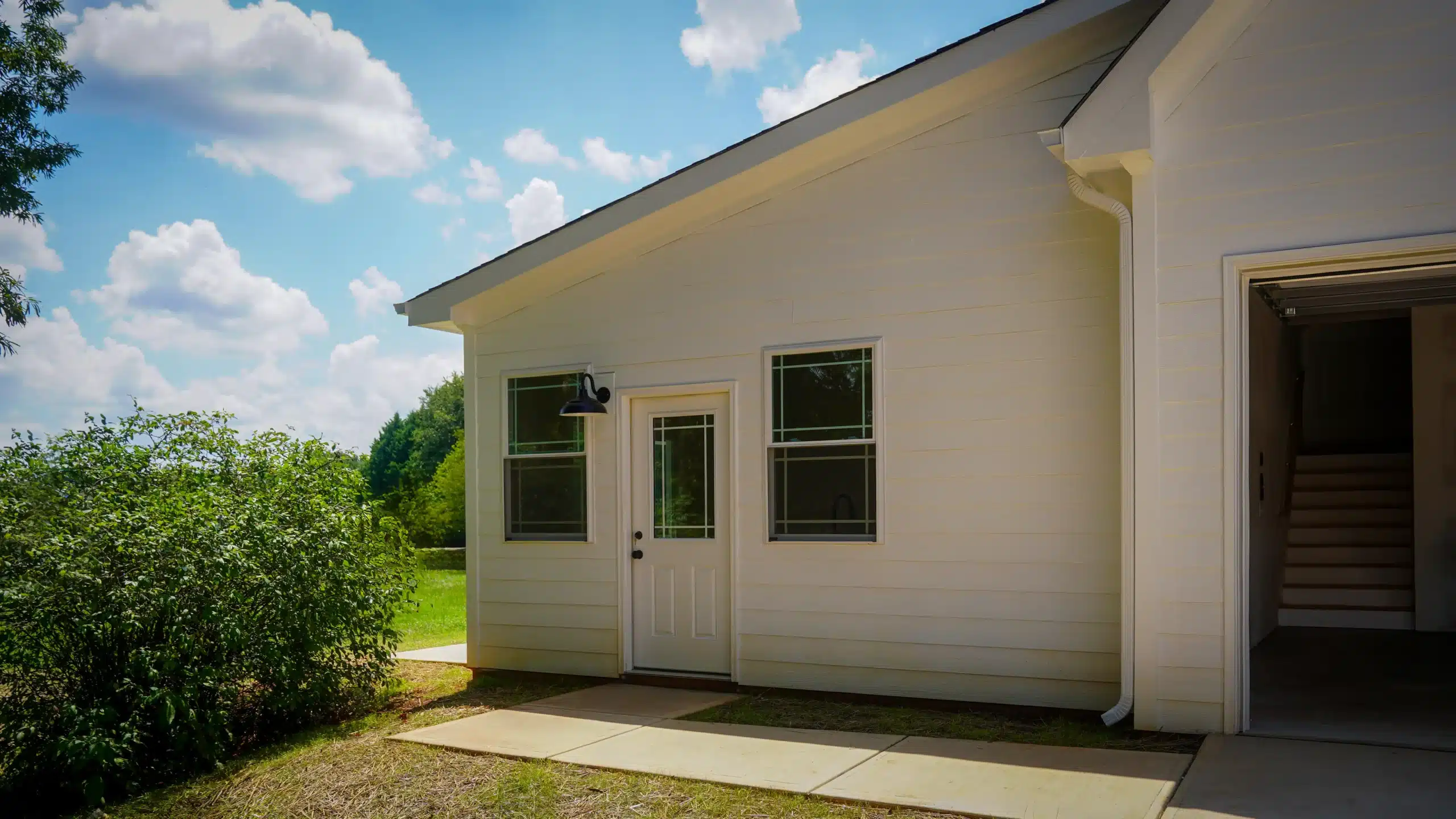
Permitting and Inspection Bottlenecks
Multiple department reviews and required corrections delay advancement (Best Adu Builders Orinda). Deliver detailed, correct packages to speed up processing. Experienced teams anticipate reviewer questions and prepare accordingly
Material Lead Times and Supply Chain Issues
Custom, eco-friendly, or specialty items require extended lead times. Order early during design to match construction scheduling. This eliminates idle time and keeps subcontractors productive.
Scope Creep and Change Orders
Mid-project alterations add time and cost. Lock selections early to minimize changes. Best Adu Builders Orinda. Firm decisions minimize disruptions to the remodeling timeline
Weather and External Factors
Variable Bay Area conditions impact exterior and foundation work. Schedule flexible interior tasks during unpredictable seasons. Organizing around seasonal patterns preserves progress.
Proactively handling delays preserves schedules and lowers stress. Let's discuss ways to avoid delays in your project. Discover our dry rot repair and siding expertise here and our landscaping and patio structures expertise here.
How Do Specific Services Fit into the Remodeling Timeline?
Various services take specific places within the remodeling timeline, each demanding proper sequencing to eliminate bottlenecks. Kitchens demand extensive plumbing and electrical coordination. Bathrooms emphasize waterproofing and fixture installation order. Whole-house remodels layer multiple trades across phases. Additions introduce foundation and seismic work early. Correct sequencing guarantees smooth handoffs, reduces rework, and produces superior outcomes. Each service contributes uniquely to the overall project success.
Kitchen Remodeling Timeline Breakdown
Demolition eliminates the existing kitchen setup. Rough-in work sets up plumbing and electrical infrastructure. Cabinetry placement creates structure and storage solutions. Countertops and appliances complete functionality and visual appeal. This order produces functional, attractive kitchens.
Bathroom Remodeling Timeline Details
Plumbing rough work establishes fixture positions. Tile application builds durable, water-resistant surfaces. Shower systems and vanity placement finalize function. Proper sequencing delivers lasting quality.
Whole House and Addition Timelines
Structural modifications create the basic framework. Mechanical systems combine smoothly. Finishes bring unified beauty to all areas. Exterior integration links additions with the main house.
Flooring and Exterior Integration
Refinishing restores hardwood beauty. Outdoor structures expand living space. Painting coordination creates unified aesthetics. These elements complete the vision.

Correct service placement enhances efficiency and quality. Reach out for a personalized service timeline. Explore our 3D design capabilities here, our custom work capabilities here, and our San Ramon kitchen renovation specialists here.
How Seismic Retrofitting and Code Compliance Affect Your Timeline
Seismic retrofitting and code compliance are mandatory in much of Contra Costa County, adding time to designated phases of the remodeling timeline. Engineering evaluation and reinforcement generally contribute 4–8 weeks. Title 24 compliance requirements demand early documentation and inspections to avoid rework. Forward-thinking placement guarantees safety, regulatory compliance, and limited disruption to the full schedule. These requirements protect your investment and provide long-term peace of mind.
Seismic Requirements in Contra Costa County
Foundation bolting anchors the building to its foundation. Cripple wall reinforcement fortifies perimeter walls. Beam upgrades enhance load-bearing capacity. These measures satisfy California seismic regulations.
Energy-Efficient and Accessibility Standards
Heated floors improve comfort and efficiency. Water-saving fixtures reduce consumption. ADA-compliant layouts support aging-in-place needs. These standards enhance both value and practical use.
Integration with Overall Phases
Incorporate compliance during rough-in phases. This minimizes additional downtime. Effective placement optimizes the whole process.
Correct compliance ensures safety and schedule consistency. Reach out for expert seismic and code planning. Discover our Danville ADU construction specialists here and our Lafayette ADU construction services here.
Areas We Serve Throughout Contra Costa County California
Residents throughout Contra Costa County and nearby areas trust in realistic remodeling timelines customized to local regulations and conditions. Starting from Alamo and Walnut Creek along the I-680 corridor through Lafayette, Danville, Moraga, Orinda, Pleasant Hill, San Ramon, Hercules, El Cerrito, Pinole, Albany, Berkeley, San Pablo, Concord, Pittsburg, Martinez, Diablo, Clayton, Port Costa, Benicia, Antioch, Canyon, Crockett, Rodeo, Oakland, El Sobrante, Suisun City, Vallejo, Birds Landing, Richmond, Brentwood, Oakley, including locations throughout Alameda County, Solano County, San Francisco County, and Marin County—local understanding delivers exact timelines and regulatory compliance. Each location features distinct permitting details and construction standards that affect timelines.
Wherever you reside in the region, precise local timelines reduce uncertainty and anxiety. Contact us to discuss your area-specific plan. See our contact information here and see Walnut Creek contractor services here, Walnut Creek kitchen remodeling, Walnut Creek bathroom renovations, Walnut Creek ADU construction, Lafayette general contractor services, Lafayette kitchen remodeling, Lafayette luxury bathroom renovations, and Lafayette ADU construction here.
Frequently Asked Questions About Remodeling Timelines
How long does a kitchen remodel take in Contra Costa County?
A kitchen renovation timeline usually lasts 3–6 months. This includes planning/permitting (2–4 months), demolition/rough work (2–4 weeks), installations (2–3 months), and finishing touches. Regional mandates including Title 24 and seismic requirements affect length. Early action minimizes delays, with buffers managing surprises and building realistic expectations. For additional information, see our kitchen and bathroom services here.
What causes the most delays in Bay Area remodeling timelines?
Permitting queues, material shortages, change orders, and inspections lead causes. Contra Costa County permitting extends duration for structural and energy requirements. Scope creep during construction adds weeks. Prevention relies on complete submissions, early procurement, and firm decisions. See our frequently asked questions for more insights here.
How much buffer should I build into my remodeling timeline?
15–30% contingency is the industry norm. This accommodates inspections, weather, or hidden conditions. Throughout the Bay Area, contingency buffers successfully address common permitting and supply chain delays. Learn more on our about us page here.
Does seismic retrofitting extend the timeline significantly?
Generally 4–8 weeks when sequenced properly. Engineering and reinforcement fit into rough phases. Early planning limits overall impact. Explore our ADU and remodel services here.
What is the average whole house remodeling timeline?
Between 6–18 months in the Bay Area region, depending on scope. Additions or major structural work increase overall duration. Phased execution and buffers maintain control. Check our custom work capabilities here.
How long does a bathroom remodel take?
Usually between 2–4 months. Planning and permitting occupy 1–3 months, construction 4–8 weeks. Waterproofing and fixtures demand precise sequencing. See our bathroom renovations in Walnut Creek here.
How do permits affect the remodeling timeline in Contra Costa County?
Permitting typically adds 2–6 months prior to construction. Structural alterations cause extended permitting reviews. Thorough packages expedite the approval process. Visit our contact page for assistance here.
What is the best way to avoid remodeling delays?
Proactive planning, transparent communication, timely ordering, and buffer inclusion. Knowledgeable teams anticipate and prevent problems. Read our client reviews for real examples here.
How does material lead time impact the timeline?
Custom or sustainable items delay phases. Ordering during design aligns procurement with construction needs. Explore our custom craftsmanship options here.
What should I expect during the final walkthrough?
Detailed walkthrough identifies minor corrections. Final cleanup readies the space for handover. Guarantees homeowner satisfaction prior to completion. Check our frequently asked questions for more details here.
You've explored every aspect of remodeling timeline planning and dependable expectations—from core phases and delay factors to local Contra Costa County influences. With over 30 years of proven experience since 1995, our specialists effectively navigate permits, seismic reinforcement, Title 24 standards, and regional complexities to produce reliable results. Homeowners share favorable stories: a Walnut Creek family completed their open-concept kitchen in under 5 months, appreciating consistent updates and minimal disruptions. A Lafayette homeowner valued seamless seismic work, finishing ahead of projections. One Danville homeowner commended the flawless incorporation of accessibility elements in their bathroom renovation. We back every project with our satisfaction guarantee and commitment to excellence.
United Constructors team, 1251 Stone Valley Rd, Alamo, CA 94507, (925) 234-9023.
Relief from outdated environments, excitement for renewed spaces, trust in professional handling, pride in superior craftsmanship, and security in compliant, safe results drive remodeling choices. Logically, decades of regional expertise, meticulous phase planning, protective buffers, open communication, and consistent on-time delivery justify the decision—safeguarding investments and yielding strong returns.
We Can Help! Contact Us Today
If you're seeking expert construction timeline planning in California, we stand as your reliable partner. Our licensed professionals focus on remodeling timeline planning and associated services, delivering reliable, superior outcomes. Whether you're considering kitchen redesign, bathroom refresh, complete home remodel, or home addition projects, we've completed varied projects with accuracy and attention. Conveniently located near I-680 in Contra Costa County, we cover Contra Costa County and surrounding communities. Complimentary consultation available. With decades of experience and our satisfaction guarantee, we ensure your project succeeds. Let us help realize your vision with complete assurance!
Schedule Complimentary Consultation + Timeline Checklist
United Constructors Inc.
Address: 1251 Stone Valley Rd Alamo, CA 94507Phone: (925) 234-9023
Email: [email protected]
United Constructors Inc.
Adu Design Services Orinda, CA
Adu Design Services Orinda, CA
Adu Specialist Near Me Orinda, CA
Adu Garage Conversion Contractor Near Me Orinda, CA
Adu Construction Services Orinda, CA
Adu Architects Near Me Orinda, CA
Adu Construction Companies Orinda, CA
Adu Garage Conversion Contractor Near Me Orinda, CA
Adu Companies Orinda, CA
Adu Builder Near Me Orinda, CA
Adu Remodel Orinda, CA
Adu Construction Companies Orinda, CA
Adu Services Near Me Orinda, CA
Adu Design Services Orinda, CA
Adu General Contractor Orinda, CA
Adu Specialist Orinda, CA
Adu Contractor Near Me Orinda, CA
Adu Builder Near Me Orinda, CA
Adu Construction Services Orinda, CA
Best Adu Builders Orinda, CA
Adu Architects Near Me Orinda, CA
Accessory Dwelling Unit Builders Near Me Orinda, CA
Adu Contrator Orinda, CA
Adu Specialist Near Me Orinda, CA
Adu Custom Homes Orinda, CA
Adu Construction Near Me Orinda, CA
Adu Construction Services Orinda, CA
Adu Builders Near Me Orinda, CA
Adu Construction Companies Orinda, CA
Adu Custom Homes Orinda, CA
Best Adu Builders Orinda, CA
Adu Specialist Orinda, CA
Accessory Dwelling Unit Builders Near Me Orinda, CA
Adu Home Addition Contractor Orinda, CA
Adu Contractor Near Me Orinda, CA
Adu Construction Services Orinda, CA
Adu Specialist Orinda, CA
Adu Building Contractors Orinda, CA
Adu Construction Companies Orinda, CA
Adu Design Services Orinda, CA
Adu Builder Near Me Orinda, CA
Custom Adu Builders Orinda, CA
Adu Construction Near Me Orinda, CA
Adu Designers Near Me Orinda, CA
Adu Architects Near Me Orinda, CA
Adu Construction Company Orinda, CA
Adu Remodel Orinda, CA
Adu Designers Near Me Orinda, CA
Adu Designers Near Me Orinda, CA
Finding A Local Seo Marketing Company Orinda, CA
Find Seo Services For Small Business Orinda, CA
United Constructors Inc.
Accessory Dwelling Unit Builders Near Me Orinda, CA
Adu Construction Companies Orinda, CA

Table of Contents
- – United Constructors Inc.
- – What Is a Realistic Remodeling Timeline?
- – Average Durations by Project Type
- – Why Bay Area Projects Differ from National Av...
- – Building in Realistic Buffers
- – How Long Does Planning and Permitting Take in ...
- – Key Steps in the Planning Phase
- – Contra Costa County Permitting Process Details
- – Common Delays and Prevention Strategies
- – Impact on Overall Remodeling Timeline
- – What Are the Main Phases of a Home Remodel Tim...
- – Phase 1 – Vision and Feasibility
- – Initial Consultations
- – Feasibility Assessment
- – Phase 2 – Design and Documentation
- – Team Assembly
- – Phase 3 – Demolition and Rough Work
- – Structural Adjustments
- – Phase 4 – Installations and Finishes
- – Custom Elements
- – What Causes Delays in Bay Area Remodeling Time...
- – Permitting and Inspection Bottlenecks
- – Material Lead Times and Supply Chain Issues
- – Scope Creep and Change Orders
- – Weather and External Factors
- – How Do Specific Services Fit into the Remodeli...
- – Kitchen Remodeling Timeline Breakdown
- – Bathroom Remodeling Timeline Details
- – Whole House and Addition Timelines
- – Flooring and Exterior Integration
- – How Seismic Retrofitting and Code Compliance A...
- – Seismic Requirements in Contra Costa County
- – Energy-Efficient and Accessibility Standards
- – Integration with Overall Phases
- – Areas We Serve Throughout Contra Costa County ...
- – Frequently Asked Questions About Remodeling Ti...
- – How long does a kitchen remodel take in Contr...
- – What causes the most delays in Bay Area remod...
- – How much buffer should I build into my remode...
- – Does seismic retrofitting extend the timeline...
- – What is the average whole house remodeling ti...
- – How long does a bathroom remodel take?
- – How do permits affect the remodeling timeline...
- – What is the best way to avoid remodeling delays?
- – How does material lead time impact the timeline?
- – What should I expect during the final walkthr...
- – We Can Help! Contact Us Today
- – United Constructors Inc.
Latest Posts
Fleet Maintenance Services Villa Park
Fifth Wheel Service Foothill Ranch
Fifth Wheel Repair Near Me Diamond Bar
More
Latest Posts
Fleet Maintenance Services Villa Park
Fifth Wheel Service Foothill Ranch
Fifth Wheel Repair Near Me Diamond Bar