All Categories
Featured
Best Internet Marketing Jurupa Valley
Local Seo Marketing Agency Rancho Cucamonga
Table of Contents
- – OCRV Center
- – Why Is My RV AC Not Cooling Properly?
- – Dirty Filters and Coils Blocking Airflow
- – How Dirt Builds Up Over Time
- – Quick Cleaning Steps for Immediate Relief
- – When Professional Deep Cleaning Is Needed
- – What Causes RV AC to Blow Warm Air?
- – Faulty Run or Start Capacitor
- – Symptoms and Testing Methods
- – Replacement Process and Parts
- – Evaporator Coil Freezing Issues
- – Restricted Airflow Causes
- – Defrost and Prevention Strategies
- – Electrical or Voltage Problems
- – Campground Power Fluctuations
- – Breaker and Wiring Checks
- – How to Fix RV AC Short Cycling
- – Oversized Unit or Load Imbalance
- – Sizing Guidelines for Motorhomes
- – Balancing Solutions
- – Dirty Condenser Coils
- – Exterior Cleaning Techniques
- – Impact on Cycle Times
- – Faulty Control Board or Relays
- – Diagnostic Tools
- – Repair vs. Replacement
- – Common Noises and Leaks in Motorhome AC Units
- – Fan Motor or Blower Noises
- – Bearing Wear Identification
- – Lubrication and Replacement
- – Condensate Drain Clogs and Water Leaks
- – Clearing Blockages
- – Sealing to Prevent Interior Damage
- – Compressor or Vibration Sounds
- – Mounting Checks
- – Isolation Techniques
- – RV AC Repair Costs and What to Expect
- – Breakdown of Typical Service Prices
- – Cleaning and Maintenance Range
- – Component Replacement Costs
- – Factors Influencing Final Quotes
- – Brand-Specific Parts
- – Emergency vs. Scheduled
- – Preventative Maintenance Tips for Motorhome AC
- – Regular Filter and Coil Cleaning
- – Seasonal Schedules for California Climates
- – Tools and Safety Precautions
- – Annual Professional Inspections
- – Comprehensive Checklists
- – Extending Unit Lifespan
- – Storage and Off-Season Prep
- – Winterization Steps
- – Spring Startup Best Practices
- – Choosing the Right RV Repair Service in Califo...
- – Importance of Certified Technicians
- – Refrigerant Handling Compliance
- – Brand-Specific Expertise
- – Benefits of Local Expertise Near Major Routes
- – Quick Access Along Freeways 5 & 91
- – Serving Extensive Areas
- – Our 6 Step RV AC Repair Process: What to Expect
- – Initial Inspection and Diagnostic Testing
- – Component Identification and Repair Planning
- – Execution with OEM Parts
- – Post-Repair Testing and Verification
- – Follow-Up Support
- – Final Quality Assurance
- – Areas We Serve Throughout Southern California
- – Orange County and Inland Empire Coverage
- – Broader Southern California Reach
- – Frequently Asked Questions About RV AC Repair
- – We Can Help! Contact Us Today.
- – OCRV Center
RV AC repair near me becomes a top priority when a motorhome's cooling system fails during travel or camping. Motorhome rooftop air conditioners endure constant vibration from highways, dust buildup from campsites, and fluctuating power at electrical connections, creating common failures like reduced cooling or complete breakdown. This post examines the most common problems in motorhome AC units, their underlying causes, and proven fixes to return consistent climate control. From simple upkeep tasks to advanced diagnostics, the focus centers on actionable repairs that keep little concerns from escalating into serious breakdowns on the road.
Many motorhome owners face these difficulties during peak travel seasons, when heat renders the living space too warm. Understanding common RV AC problems enables prompt intervention. Dirty components top the list of culprits, followed by wiring and power issues and refrigerant shortages. Addressing them early saves time and expense while preserving comfort and security. Proper troubleshooting and maintenance increase system durability and maintain reliable function across long trips.

Why Is My RV AC Not Cooling Properly?
RV AC not cooling properly emerges as one of the most frequent complaints among motorhome owners. The unit runs but fails to lower the temperature effectively, often due to blocked air movement or low refrigerant levels. Dust deposits during long-distance trips clogs filters and coils, making the unit work harder without providing chilled output. Electrical inconsistencies from campground outlets worsen the situation, while thermostat faults provide incorrect data. These elements together lower cooling capacity considerably, turning a comfortable space into an uncomfortably warm environment. Plenty of owners see steady drop-off before complete failure occurs, underscoring the importance of proactive monitoring and regular upkeep schedules.
Dirty Filters and Coils Blocking Airflow
Filters act as the primary barrier against airborne particles encountered during travel, trapping particles like dust, pollen, bugs, and grit that would otherwise circulate through the system. Evaporator coils located internally accumulate water and debris, building up deposits that hinder heat transfer and circulation. Blocked flow elevates system temperatures, causes the compressor to strain significantly, and ultimately leads to poor cooling performance. Rinse filters every month in frequent-use periods by removing and rinsing with water, steering clear of forceful sprays that damage fins. For coils, use a soft brush or coil cleaner spray after turning off power. Thorough professional service cleans internal passages, clears persistent accumulation, reestablishes proper circulation, and typically enhances cooling ability significantly. Routine attention to these components avoids follow-on problems and maintains optimal RV air conditioner maintenance tips. For further care information, review RV maintenance services.
How Dirt Builds Up Over Time
Contaminant buildup happens gradually through contact with roads, work sites, and camping areas. Deposits of grime and particles coat coils and obstruct filters, lowering performance well before clear signs emerge. Tracking accumulation allows early detection. Consistent visual reviews in scheduled maintenance help identify buildup patterns particular to specific driving and camping habits.
Quick Cleaning Steps for Immediate Relief
Start with power disconnection, accessing the filter compartment, and removing the filter media for inspection. Rinse under low-pressure water to dislodge loose particles. Ensure full air drying to eliminate moisture concerns. These actions offer rapid airflow restoration resulting in obvious temperature improvement quickly. Regular use while traveling maintains steady performance.
When Professional Deep Cleaning Is Needed
Continued inadequate cooling after filter changes points to hidden coil obstruction requiring specialized equipment and expertise. Technicians employ non-corrosive cleaners, pressure-controlled rinsing, and full drying techniques to restore full heat transfer capability. This thorough cleaning tackles concealed blockages that routine care cannot fully treat. Arranging regular expert service increases equipment durability and avoids urgent service calls. Additional information on thorough upkeep is available through RV service options.
Reports from RV service organizations reveal that blocked air movement causes approximately forty percent of cooling complaints in rooftop units. Applying regular cleaning routines significantly reduces these occurrences and preserves system reliability. These common causes explain why many query reasons for poor RV cooling. Quick response avoids progression into severe breakdowns. Contact specialists for a complimentary diagnostic on RV AC repair near me.
What Causes RV AC to Blow Warm Air?
RV AC blowing warm air produces sudden unease, especially as the fan keeps operating while cold air delivery ceases entirely. This condition indicates breakdowns in temperature transfer functions or inadequate compressor function. Low refrigerant results from gradual leaks at fittings or coil deterioration, stopping the evaporative cooling action necessary for heat reduction. Capacitor failure blocks proper startup power and continuous motor operation, resulting in weak performance or complete failure to engage. Accumulated dirt on condenser and evaporator surfaces impedes heat dissipation and absorption, further reducing performance. Power supply irregularities from campground sources or onboard inverters introduce voltage drops that compromise compressor efficiency. Diagnosis commences with basic visual and auditory assessments prior to advancing to pressure checks, electrical testing, and part isolation. Seasonal storage and infrequent use accelerate these failures as seals dry out and debris settles without disturbance.
Faulty Run or Start Capacitor
Capacitors store and discharge electrical energy to start compressor and fan motors while maintaining consistent operation under load. Degradation over time or exposure to heat causes capacitance loss, causing humming without compressor activation or intermittent weak performance. Symptoms and testing methods include case swelling or leakage, strange humming when starting, and meter tests revealing values under rated levels. Replacement needs capacitors with precise capacitance and voltage matching to maintain compatibility and protect system elements. Installation involves safely discharging residual charge, taking out old components, securing new ones with proper mounting hardware, and checking connections prior to system activation. This fix often returns complete cooling performance right away and stops repeated startup problems that annoy owners on journeys. These failures occur more often in units exposed to extreme temperatures or surges. For additional electrical service, consider RV electrical repair.
Symptoms and Testing Methods
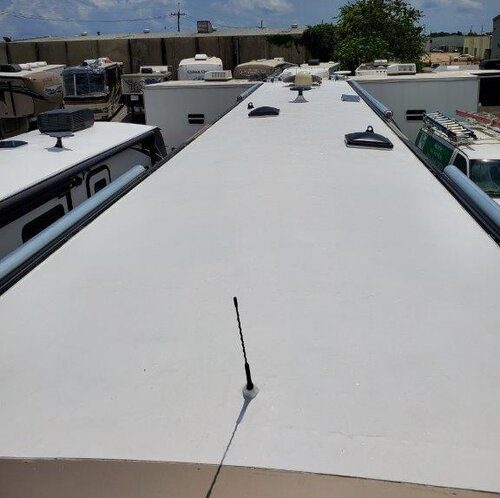
Observe humming without compressor engagement or slow startup patterns. Use a multimeter set to capacitance mode to check readings versus printed rated values. These tests confirm failure quickly and safely and direct proper replacement choices.
Replacement Process and Parts
Obtain precise-match capacitors for system compatibility and warranty preservation. Safely discharge using insulated instruments, exchange units, and tighten connections securely. Conduct operation checks after replacement to ensure correct startup and consistent function.
Evaporator Coil Freezing Issues
Restricted airflow causes coil temperatures to fall under freezing, creating ice buildup that obstructs airflow and halt proper cooling. Insufficient refrigerant or blocked filters trigger this problem by limiting heat transfer efficiency. Defrost and prevention strategies require immediate power disconnection to allow natural thawing, then detailed cleaning and air movement confirmation. Incorporating air monitoring or regular inspections avoids repetition and keeps reliable dehumidification and temperature stability. Freezing worsens in humid conditions or after skipped maintenance. For detailed cleaning strategies, review RV maintenance resources.
Restricted Airflow Causes
Restricted filters, blocked passages, or accumulated matter decrease air movement over evaporator. This cooling below dew point forms ice layers that continues to limit flow through a worsening cycle.
Defrost and Prevention Strategies
Ensure thorough thawing before power-up. Implement regular filter changes and coil inspections to eliminate conditions conducive to freezing. Track humidity during use to foresee possible problems.
Electrical or Voltage Problems
Undervoltage conditions from inconsistent campground power supplies or inadequate onboard inverters prevent compressors from reaching full operating speed. Breaker and wiring checks verify consistent power and detect loose or damaged wiring. Incorporating voltage tracking or proper-gauge heavy cords addresses problems in fluctuating electrical conditions. Power problems significantly cause warm air issues in various units. Additional electrical diagnostics are available through RV electrical upgrades.
Campground Power Fluctuations
Variable voltage levels affect motor torque and compressor efficiency. Continuous monitoring helps identify problematic sites early.
Breaker and Wiring Checks
Check breakers for repeated trips and wiring for damage or deterioration. Fasten connections properly to ensure stable electricity.
Effective diagnosis converts RV AC blowing warm air causes into resolvable issues. Thorough evaluation stops persistent problems. Reach out for expert RV air conditioner repair support. Explore collision-related concerns via RV collision repair when needed.
How to Fix RV AC Short Cycling
RV AC short cycling manifests as frequent on-off compressor operation that hinders proper dehumidification and consistent cooling while hastening equipment deterioration. Oversized units cool spaces too quickly, while restricted airflow or electrical faults cause premature shutdowns. Determining the specific reason permits precise corrections that deliver consistent, reliable function. This pattern often develops gradually, as cycle times decrease over time until correction is essential.
Oversized Unit or Load Imbalance
An oversized air conditioner achieves setpoint temperatures too quickly, triggering early shutdown and quick rebound. Sizing guidelines for motorhomes stress matching cooling capacity to cabin volume, insulation value, glass area, and climate factors. Balancing solutions encompass vent tuning, extra fans, or zone controls to achieve even temperature distribution in the coach. Accurate sizing delivers longer operation that improve humidity removal and overall comfort levels during extended stays.
Sizing Guidelines for Motorhomes
Compute capacity considering square feet, ceiling height, insulation value, and climate expectations. Too-small units operate nonstop without achieving target; oversized units short cycle frequently.
Balancing Solutions
Adjust register openings and consider ceiling fans to promote uniform air distribution. Zoning systems enable specific area regulation.
Dirty Condenser Coils
Exterior condenser coils accumulate road dirt, insects, and ambient particles which block heat release and activate safety shutdowns. Exterior cleaning techniques use low-pressure washing with coil-specific cleaners and gentle brushes to eliminate debris without deforming fins. This routine task commonly increases run times and boosts complete unit efficiency. Unmaintained condenser surfaces play a major role in cycling failures across brands. For roof-related maintenance, review RV roof repair.
Exterior Cleaning Techniques
Use manufacturer-recommended cleaners, provide adequate contact time, and rinse carefully to protect coils. Regular attention prevents efficiency loss from insulation buildup.
Impact on Cycle Times
Clear coils support prolonged cycles, boosting stable temperatures and humidity control across the coach.
Faulty Control Board or Relays
Control boards regulate cycle timing while relays handle power switching; degradation or manufacturing defects cause erratic cycling patterns. Diagnostic tools such as multimeters and continuity testers identify open paths, voltage issues, or defective parts. Repair vs. replacement evaluations decide between spot repairs or complete board replacement for dependable long-term operation. Accurate diagnostics locate these problems effectively. Related slide mechanisms can be addressed through RV slide-out repair.
Diagnostic Tools
Multimeters measure voltage and continuity at board connections. Specialized testers identify relay sticking or board component failures.
Repair vs. Replacement
Minor solder repairs possible in some cases; widespread damage typically requires complete board replacement to restore reliable function.
Consistent operation returns with targeted fixes. Schedule a review for motorhome AC repair needs. Additional fiberglass repair details is available at RV fiberglass repair.
Common Noises and Leaks in Motorhome AC Units
Unusual auditory cues or visible moisture accumulation indicate emerging mechanical or drainage issues within motorhome AC units. Grinding, rattling, squealing, or interior water drips signal part wear, obstructions, or mounting problems that worsen without attention. Prompt identification and resolution protect interior components and maintain peaceful operation during use. Highway vibration hastens degradation in roof-mounted systems under continuous motion and conditions.
Fan Motor or Blower Noises
Grinding, squealing, rattling sounds when fan runs typically indicate bearing wear identification resulting from insufficient lubrication, contaminant intrusion, or prolonged high-speed use. Temporary lubrication extends usability in some cases, but switching to sealed, lifetime-lubricated bearings removes noise permanently and prevents motor failure. Routine lubrication during scheduled maintenance significantly prolongs bearing service life and reduces operational disturbances. Handling these noises promptly prevents follow-on failures impacting cooling. For related body concerns, review RV body shop capabilities.
Bearing Wear Identification
Pay close attention during startup and operation to detect grinding or squealing sounds. Visual examination often reveals rust, scoring, or excessive shaft play confirming wear.
Lubrication and Replacement
Apply proper lubricant if points are reachable; otherwise replace the entire motor assembly for optimal quiet operation and longevity.
Condensate Drain Clogs and Water Leaks
Clogged drain lines hold moisture generated in cooling, leading to cabin drips, stains, and possible mold growth. Clearing blockages employs compressed air, flexible drain snakes, or vinegar solutions to restore proper flow without damaging plastic lines. Sealing to prevent interior damage requires thorough inspection of drain tubes, fittings, and evaporator pan connections followed by application of waterproof sealant where leaks originate. Good drainage prevents interior moisture problems and keeps air fresh. Related roof protection details can be found through RV roof repair.
Clearing Blockages
Employ soft tools to remove blockages without damaging pipes. Rinse with gentle acid solutions to break down mineral buildup.
Sealing to Prevent Interior Damage
Examine every joint for cracks or looseness. Apply appropriate sealants to eliminate moisture escape paths into living areas.
Compressor or Vibration Sounds
Loose mounting brackets or deteriorated rubber isolators amplify normal compressor operation into noticeable thumping or rattling throughout the vehicle. Mounting checks require tightening fasteners and inspecting isolators for compression or cracks. Isolation techniques involve supplementary dampening or mount replacement to limit vibration to the coach. Correct mounting improves system stability and significantly lowers interior noise. For frame integrity, explore RV frame repair.
Mounting Checks
Tighten fasteners to proper torque and examine isolators for wear or compression.
Isolation Techniques
Incorporate extra dampeners or replacement mounts for reduced noise and stress.
Problems of this nature fix quickly with expert help. Local RV AC repair near me experts deliver precise, trustworthy solutions that ease the stress of breakdowns and build trust through certified work and satisfaction guarantees.
RV AC Repair Costs and What to Expect
RV AC repair costs depend on problem type, brand, parts, and labor time, yet transparent breakdowns assist owners in effective budgeting. Standard cleaning and diagnostic services range from $250 to $450, while individual component replacements such as capacitors or fan motors typically cost $400 to $900. Refrigerant work including leak repair and recharge averages $300–$600, while full unit replacements usually range $1,000–$1,800. Labor rates account for technician skill, overhead, and area. Clear communication regarding pricing prevents unexpected expenses and builds trust throughout the service process.
Breakdown of Typical Service Prices
Routine cleaning and upkeep stay among the most affordable services. Component replacement pricing reflects premium quality parts and specialized labor requirements. Complete overhauls offer great long-term value for major issues.
Cleaning and Maintenance Range
Routine work focuses on filters and coils for quick efficiency gains at low cost.
Component Replacement Costs
Parts such as capacitors, motors, and controls vary by manufacturer and availability.
Factors Influencing Final Quotes
Brand-specific parts designed for Dometic, Coleman, Furrion, and similar manufacturers ensure proper fit and performance but influence overall expense levels. Emergency service adds fees for immediate availability and fast scheduling. Installation challenges from mounting position may extend labor and increase charges. Location within service areas also affects pricing structures.
Brand-Specific Parts
OEM-equivalent components preserve warranty validity and system compatibility standards.
Emergency vs. Scheduled
Scheduled work usually costs less than emergency calls needing instant response.
Clear pricing empowers smart decisions. Get your personalized estimate today. Additional collision repair information available at RV collision repair.
Preventative Maintenance Tips for Motorhome AC
Preventative maintenance dramatically prolongs rooftop air conditioner service life while preventing inconvenient roadside failures during extended journeys. Consistent attention preserves cooling efficiency, reduces energy consumption, and eliminates surprise repair expenses. Owners who implement regular protocols experience significantly fewer emergency service calls and extended equipment reliability across diverse travel conditions.
Regular Filter and Coil Cleaning
Seasonal schedules recommend monthly filter rinsing during active travel periods and biannual coil examinations regardless of usage intensity. Use gentle, safe cleaners made for evaporator and condenser coils with soft brushes to avoid fin damage. Thorough drying after cleaning eliminates moisture-related mold development risks. Regular application keeps airflow open and heat transfer at peak during cooling periods.
Seasonal Schedules for California Climates
Change schedule per regional dust, allergens, and travel through varied climates. Increased frequency helps units in dusty or high-pollen areas.
Tools and Safety Precautions
Use gentle water pressure, approved cleaners, and protective gear during upkeep. Cut power before working on any part for complete safety.
Annual Professional Inspections
Thorough yearly checks by certified experts detect emerging wear, refrigerant changes, electrical issues, and mechanical problems before breakdowns. These services encompass performance evaluation, leak testing, and lubrication of applicable components. Professional assessments detect subtle issues overlooked during routine owner checks, preventing escalation into major repairs. For slide-out related maintenance, consider RV slide-out repair.
Comprehensive Checklists
Cover electrical systems, refrigerant charge levels, mechanical assemblies, and structural mounting integrity during each visit.
Extending Unit Lifespan
Consistent expert service greatly extends operating life and keeps peak efficiency.
Storage and Off-Season Prep
Effective off-season prep guards against freezing, water entry, and UV exposure while stored. Cover the rooftop unit completely, drain condensate lines thoroughly, stabilize electrical connections, and apply protective treatments to external surfaces. Startup in spring requires complete inspection, filter replacement, coil verification, and testing prior to use. Proper prep protects from weather damage and provides instant reliability upon reactivation.
Winterization Steps
Install protective covers, drain water-prone sections, and disconnect power to avoid unintended operation.
Spring Startup Best Practices
Execute thorough inspections, clear debris, and test cooling prior to seasonal use.
Steady attention stops unexpected costs. Book preventative maintenance for ongoing reliability. Irvine Repair Rv. Explore RV remodel possibilities when updating systems
Choosing the Right RV Repair Service in California
Picking a suitable repair shop strongly impacts quality, timing, and overall experience. Prioritize facilities demonstrating certification credentials, specialized experience with motorhome systems, and positive customer feedback patterns. Review speed, parts access, and communication when deciding.
Importance of Certified Technicians
Refrigerant handling compliance requires EPA Section 608 certification to perform legal and environmentally responsible work on systems containing regulated substances. Manufacturer training guarantees knowledge of specific designs, diagnostics, and repair methods for various brands. Certification credentials verify ongoing education and adherence to industry standards that protect both equipment and owners. Expert certification decreases improper work that results in recurring failures or hazards. For paint work, check RV paint shop capabilities.
Refrigerant Handling Compliance
Adheres to standards for safe and legal refrigerant work.
Brand-Specific Expertise
Handles Dometic, Coleman, and other units precisely.
Benefits of Local Expertise Near Major Routes
Nearby location minimizes towing needs and enables rapid roadside assistance. Wide area service ensures reachability across diverse travel paths. Local knowledge incorporates regional climate considerations, common failure patterns, and optimal repair approaches suited to prevailing conditions. For related body concerns, check RV body shop.
Quick Access Along Freeways 5 & 91
Convenient positioning enables fast response on key highways.
Serving Extensive Areas
Broad area service helps owners across Southern California with uniform quality.
Dependable local help cuts downtime. Contact RV AC repair near me specialists for dependable help. Additional information available on the about page.
Our 6 Step RV AC Repair Process: What to Expect
A structured process provides reliable, excellent results from start to finish. Each stage features complete documentation, transparent communication, and verification points for total satisfaction.
Initial Inspection and Diagnostic Testing
Technicians execute detailed visual inspections and electrical, pressure, performance testing to determine starting conditions. Diagnostic procedures identify both obvious and subtle issues affecting operation. This base directs following repair strategy precisely.
Component Identification and Repair Planning
Thorough evaluation focuses on primary causes while creating clear repair plans and pricing. Planning minimizes unexpected developments and aligns expectations effectively throughout the service.
Execution with OEM Parts
Repairs utilize manufacturer-specified or equivalent premium components installed according to established procedures and safety protocols. Proper installation guarantees fit, dependability, and warranty protection.
Post-Repair Testing and Verification
Thorough testing verifies recovered cooling, sound levels, air movement, and system stability. Testing incorporates owner walkthroughs showing correct operation and answering questions.
Follow-Up Support
Warranty documentation accompanies completed work, providing coverage periods and guidance for continued optimal performance. Continued assistance addresses questions after service quickly.
Final Quality Assurance
Comprehensive satisfaction verification and detailed documentation conclude the service process. Last check confirms full owner satisfaction before completion.
Structured processes ensure lasting results. Inquire about our streamlined approach. Explore additional repair options through RV repair services.
Areas We Serve Throughout Southern California
Wide coverage provides accessibility across the entire service area. Strategic positioning supports rapid response across urban, suburban, and rural areas alike.
Orange County and Inland Empire Coverage
Key cities like Anaheim, Santa Ana, Irvine, Huntington Beach, Yorba Linda, Chino Hills, and nearby areas get priority service. Area expertise supports efficient routing and rapid arrival.
Broader Southern California Reach
Service spans Los Angeles, Riverside, San Bernardino, Ventura, and San Diego County areas. Widespread coverage maintains consistent quality standards across diverse geographic areas.
Wide service throughout major areas ensures coverage. OCRV Center, 23281 La Palma Ave. Yorba Linda CA 92887, (714) 909-1444 stands ready as local RV AC repair near me experts. Review customer experiences on the testimonials page.
Frequently Asked Questions About RV AC Repair
How much does RV AC repair near me cost in California?
Service prices typically range $250–$1,800 according to problem and model. Standard cleaning and diagnostics generally run $250–$450, and component swaps like capacitors or motors average $400–$900. Refrigerant work including recovery and recharge typically averages $300–$600, and complete unit replacement falls $1,000–$1,800. Model specifics, parts, and timing impact final amount. Expert shops provide clear estimates in advance, guaranteeing predictable costs and no surprises. For related service information, visit RV service.
Why is my motorhome AC blowing warm air?
Typical causes encompass refrigerant leaks, weak capacitors blocking compressor start, or dirty coils reducing heat exchange. Power fluctuations and debris accumulation add to this problem. Start by checking filters, power source, and thermostat. Certified assessment finds specific causes and performs suitable repairs for full cooling recovery. Correcting fundamental problems avoids future issues. Additional details available through RV maintenance.
How to clean RV air conditioner filters effectively?
Gently remove filters, wash under gentle water flow, and allow full drying before putting back. Do not use abrasive cleaners or forceful water that might damage filter or housing. Implement monthly cleaning during periods of frequent use, particularly in dusty environments. This straightforward procedure maintains unrestricted airflow and prevents efficiency losses. Steady maintenance produces clear efficiency benefits. Related cleaning guidance can be found at RV maintenance.
What causes RV AC short cycling?
Excessively large units satisfy temperature settings prematurely, dirty condenser surfaces trigger thermal protection shutdowns, or malfunctioning control boards disrupt proper timing sequences. Initiate review by verifying airflow and electrical consistency. Appropriate corrections or component replacements establish stable operation patterns and enhanced comfort levels. Preventative maintenance significantly reduces occurrence frequency. For electrical-related concerns, review RV electrical repair.
Can I recharge RV AC refrigerant myself safely?
Self-service refrigerant addition carries substantial risks of improper charge levels, potential system damage, and warranty invalidation when leaks remain unaddressed. Certified experts use recovery tools, leak detectors, and accurate charging methods meeting environmental rules. Expert handling guarantees proper pressure and lasting safety. DIY attempts commonly cause higher repair costs later. Learn more about proper handling at RV service.
Signs my RV AC needs professional repair?
Persistent warm air delivery, abnormal operating noises, visible water leakage, frequent cycling, or complete failure to activate warrant immediate professional evaluation. Reduced air movement or ice on parts signal emerging issues needing expert help. Delaying attention frequently results in escalated damage and higher repair expenses. Quick professional check avoids escalation. Related diagnostic information available through RV repair.
Best brands for reliable motorhome AC (Dometic vs Coleman)?
Both Dometic and Coleman units offer excellent reliability and function when maintained correctly. Dometic models frequently receive praise for quiet operation and efficient cooling across various applications. Coleman units excel in rugged construction and consistent performance under demanding conditions. Routine service maximizes reliability regardless of brand selection. Compare options and maintenance needs at RV maintenance.
How often should rooftop AC units be serviced?
Schedule professional inspections annually to identify developing issues before they cause failures. Do monthly filter inspection and cleaning in active periods. Pre-season preparation checks prevent unexpected problems during initial warm-weather operation. Regular service timing keeps top efficiency and greatly extends life. For full service scheduling, check RV service offerings.
RV AC not turning on troubleshooting steps?
Verify circuit breaker positions, shore power connections, and thermostat configuration settings initially. Perform reset per manufacturer guidelines if required. Ongoing no-start demands professional capacitor, board, and wiring checks. Simple checks often reveal easy fixes. Complex electrical issues demand expert diagnosis. Additional diagnostic guidance through RV electrical repair.
Local RV AC repair near me options in Southern California?
Capable shops serve Orange County, Inland Empire, Los Angeles County, and surrounding regions. Pick shops with certifications, specialized knowledge, and favorable customer feedback. Local expertise ensures rapid response capabilities and familiarity with regional conditions affecting equipment - Irvine Repair Rv. Extensive reach helps owners in large areas. Explore service information through RV repair
Motorhome air conditioning failures create major discomfort and interrupt well-planned trips. However skilled professional service provides great relief from heat stress and restores trust in reliable cooling. Peace of mind develops from knowing that specialized expertise stands ready to address issues promptly with proven methods and satisfaction guarantees. Logically, choosing certified service with clear pricing and regular maintenance yields long-lasting results and strong ROI via avoided emergencies, longer component life, and lower total costs. OCRV Center, 23281 La Palma Ave. Yorba Linda CA 92887, (714) 909-1444 delivers consistent, high-quality results as trusted regional specialists.
If RV AC repair near me has become necessary during California travels, expert technicians deliver fast, reliable fixes customized for motorhomes. Skilled experts handle rooftop and associated systems with accuracy and care. Located conveniently in Southern California, service extends effectively throughout surrounding communities. Free consultation estimates offered for fast assessment. Broad experience and satisfaction guarantee deliver returned comfort on all trips. Contact specialists now to end AC issues and resume enjoyable travel with total confidence.
We Can Help! Contact Us Today.
If professional RV AC repair near me becomes necessary in California, experienced specialists deliver swift, trustworthy solutions customized for motorhome needs. Expert technicians address motorhome cooling systems with superior attention and accuracy. Conveniently positioned in Southern California, service reaches numerous nearby communities efficiently. Free consultation estimates offered as needed. Extensive experience and satisfaction guarantee ensure returned cooling. Get in touch today to end AC issues and enjoy journeys comfortably.
OCRV Center
Address: 23281 La Palma Ave Yorba Linda, CA 92887Phone: (714) 909-1444
Email: [email protected]
OCRV Center
Rv Repair Near Me Irvine, CA
Motorhome Mechanic Near Me Irvine, CA
Rv Refrigeration Repair Irvine, CA
Rv Electrical Repair Irvine, CA
Motorhome Mechanic Near Me Irvine, CA
Rv Refrigeration Repair Irvine, CA
Rv Repair Near Me Irvine, CA
Rv Awning Repair Irvine, CA
Repair Rv Awning Irvine, CA
Rv Awning Repair Near Me Irvine, CA
Motorhome Repair Shops Near Me Irvine, CA
Rv Furnace Repair Near Me Irvine, CA
Rv Furnace Troubleshooting Irvine, CA
Replacement Rv Awning Irvine, CA
Rv Repair Shop Irvine, CA
Repair Rv Irvine, CA
Recreational Vehicle Repair Irvine, CA
Motorhome Repair Shops Near Me Irvine, CA
Rv Fridge Repair Near Me Irvine, CA
Rv Electrical Repair Irvine, CA
Awning Repair Rv Irvine, CA
Motorhome Mechanic Near Me Irvine, CA
Rv Water Damage Repair Irvine, CA
Rv Refrigerator Repair Irvine, CA
The Rv Repair Centre Irvine, CA
Rv Refrigerator Repair Irvine, CA
Rv Refrigerator Repair Irvine, CA
The Rv Repair Centre Irvine, CA
Rv Repair Shop Irvine, CA
Motorhome Repairs Irvine, CA
Replacement Rv Awning Irvine, CA
Rv Ac Repair Near Me Irvine, CA
Local Rv Repair Irvine, CA
Rv Repair Near Me Irvine, CA
Rv Aluminum Siding Repair Irvine, CA
Rv Awning Fabric Repair Irvine, CA
Motorhome Roof Repair Irvine, CA
Awning Repair Rv Irvine, CA
Rv Blinds Repair Irvine, CA
Motorhome Mechanic Near Me Irvine, CA
Rv Blinds Repair Irvine, CA
Rv Fridge Repair Near Me Irvine, CA
Rv Blinds Repair Irvine, CA
Rv Refrigeration Repair Irvine, CA
Rv Blinds Repair Irvine, CA
Recreational Vehicle Repair Irvine, CA
Repair Rv Awning Irvine, CA
Rv Repair Reviews Irvine, CA
The Rv Repair Centre Irvine, CA
Rv Refrigerator Repair Irvine, CA
Repair Rv Awning Irvine, CA
Repair Rv Irvine, CA
Rv Awning Fabric Repair Irvine, CA
Rv Repair Near Me Irvine, CA
Rv Repair Near Me Irvine, CA
Rv Ac Repair Near Me Irvine, CA
Rv Refrigerator Repair Irvine, CA
Motorhome Repair Shops Near Me Irvine, CA
Rv Fridge Repair Near Me Irvine, CA
Motorhome Repairs Irvine, CA
Motorhome Repair Shops Near Me Irvine, CA
Rv Refrigerator Repair Irvine, CA
Motorhome Mechanic Near Me Irvine, CA
Rv Awning Fabric Repair Irvine, CA
Rv Specialists Irvine, CA
Rv Electrical Repair Irvine, CA
Rv Refrigeration Repair Irvine, CA
Motorhome Repair Shops Near Me Irvine, CA
Local Rv Repair Irvine, CA
Rv Electrical Repair Near Me Irvine, CA
Rv Furnace Repair Irvine, CA
Rv Refrigerator Repair Irvine, CA
Rv Awning Fabric Repair Irvine, CA
Motorhome Roof Repair Irvine, CA
Rv Awning Repair Irvine, CA
Rv Furnace Troubleshooting Irvine, CA
Rv Repair Reviews Irvine, CA
Rv Repair Reviews Irvine, CA
Companies Near Me Seo Packages Irvine, CA
In Seo Companies Near Me Irvine, CA
OCRV Center
Rv Fridge Repair Near Me Irvine, CA
Rv Ac Repair Near Me Irvine, CA

Table of Contents
- – OCRV Center
- – Why Is My RV AC Not Cooling Properly?
- – Dirty Filters and Coils Blocking Airflow
- – How Dirt Builds Up Over Time
- – Quick Cleaning Steps for Immediate Relief
- – When Professional Deep Cleaning Is Needed
- – What Causes RV AC to Blow Warm Air?
- – Faulty Run or Start Capacitor
- – Symptoms and Testing Methods
- – Replacement Process and Parts
- – Evaporator Coil Freezing Issues
- – Restricted Airflow Causes
- – Defrost and Prevention Strategies
- – Electrical or Voltage Problems
- – Campground Power Fluctuations
- – Breaker and Wiring Checks
- – How to Fix RV AC Short Cycling
- – Oversized Unit or Load Imbalance
- – Sizing Guidelines for Motorhomes
- – Balancing Solutions
- – Dirty Condenser Coils
- – Exterior Cleaning Techniques
- – Impact on Cycle Times
- – Faulty Control Board or Relays
- – Diagnostic Tools
- – Repair vs. Replacement
- – Common Noises and Leaks in Motorhome AC Units
- – Fan Motor or Blower Noises
- – Bearing Wear Identification
- – Lubrication and Replacement
- – Condensate Drain Clogs and Water Leaks
- – Clearing Blockages
- – Sealing to Prevent Interior Damage
- – Compressor or Vibration Sounds
- – Mounting Checks
- – Isolation Techniques
- – RV AC Repair Costs and What to Expect
- – Breakdown of Typical Service Prices
- – Cleaning and Maintenance Range
- – Component Replacement Costs
- – Factors Influencing Final Quotes
- – Brand-Specific Parts
- – Emergency vs. Scheduled
- – Preventative Maintenance Tips for Motorhome AC
- – Regular Filter and Coil Cleaning
- – Seasonal Schedules for California Climates
- – Tools and Safety Precautions
- – Annual Professional Inspections
- – Comprehensive Checklists
- – Extending Unit Lifespan
- – Storage and Off-Season Prep
- – Winterization Steps
- – Spring Startup Best Practices
- – Choosing the Right RV Repair Service in Califo...
- – Importance of Certified Technicians
- – Refrigerant Handling Compliance
- – Brand-Specific Expertise
- – Benefits of Local Expertise Near Major Routes
- – Quick Access Along Freeways 5 & 91
- – Serving Extensive Areas
- – Our 6 Step RV AC Repair Process: What to Expect
- – Initial Inspection and Diagnostic Testing
- – Component Identification and Repair Planning
- – Execution with OEM Parts
- – Post-Repair Testing and Verification
- – Follow-Up Support
- – Final Quality Assurance
- – Areas We Serve Throughout Southern California
- – Orange County and Inland Empire Coverage
- – Broader Southern California Reach
- – Frequently Asked Questions About RV AC Repair
- – We Can Help! Contact Us Today.
- – OCRV Center
Latest Posts
Local Seo Consultant Placentia

Fontana Local Seo Specialist

Best Internet Marketing Jurupa Valley
More
Latest Posts
Local Seo Consultant Placentia
Fontana Local Seo Specialist
Best Internet Marketing Jurupa Valley