All Categories
Featured
Table of Contents
- – Camper Trailer Service Near Me Diamond Bar, CA
- – OCRV Center
- – Camper Repair Places Near Me Diamond Bar, CA
- – Pop Up Camper Roof Repair Diamond Bar, CA
- – Camper Repair And Service Diamond Bar, CA
- – Camper Repair Near Me Diamond Bar, CA
- – Rv Camper Repair Diamond Bar, CA
- – Camper Trailer Repair Diamond Bar, CA
- – Camper Roof Repair Diamond Bar, CA
- – Camper Trailer Repair Diamond Bar, CA
- – Camper Trailer Service Near Me Diamond Bar, CA
- – Camper Trailer Service Near Me Diamond Bar, CA
- – Camper Repair Places Near Me Diamond Bar, CA
- – OCRV Center
Camper Trailer Service Near Me Diamond Bar, CA
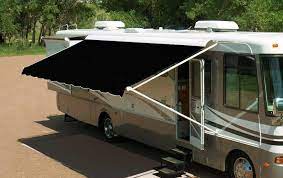
Most campers around us had their awnings deployed. We returned home the other day in the rainfall, so today I released the awnings to dry them out.
It shows up that about 18 to 24 inches of the steel extrusion (gutter) that the awning is slid right into has actually retreated from the wall and turned a bit - Pop Up Camper Repair Near Me Diamond Bar. I'm presuming the repair will involve changing that entire length of rain gutter (10 feet?) and possibly utilizing bigger scale screws to replace those that were pulled out
We have actually obtained damaged braces on our camper awning. 2 months back, we had a poor tire blow-out that triggered a curved axle, significant fixings, and so on, and we ask yourself if the brackets cracked/broke during the bouncy trip before we understood the axle remained in difficulty. We have not had the awning out given that it was in the store to be repaired.
Camper Repair Places Near Me Diamond Bar, CA
The awning itself, springtime device, and so on, is great. The rear brace assembly is great, however the front one is split at the bottom and entirely damaged through at the top, so that the top assistance arm no longer affixes to the camper.
Does this audio practical? Also the actual support arms are undamaged. They are white steel (? aluminum?) and the brackets are a heavier grey metal - it's the grey little bits that have actually cracked/broken. The actual arms are completely normal/functionalI'm simply wishing to make sure we're not being taken in out of our despair.
Pop Up Camper Roof Repair Diamond Bar, CA
The RV is a 2007, yet we had rain damages in 2010 and the whole awning was brand name new at that time. If nothing else, we would like recommendations as to exactly how we can "jerry rig" this for a while - perhaps also obtain us with the summer - without having to put in a brand name new awning!
If we have to go awning-less, we will, however I 'd instead find a quick and effective option. Any individual? Please!.
Welcome to my Recreational Vehicle Restoration Collection!.?.!! I'm on step 5 of changing the roofing of my '93 Fleetwood Jamboree Searcher motorhome. In the last action I removed the roof covering trim molding from 3 sides of the roofing. However in order to get rid of the fourth one, I require to remove the recreational vehicle awning also.
In order to replace the rubber roofing system and roofing system outdoor decking, I need to get rid of the awning. My Motor home awning has legs which pivot at the base however can be removed to establish on the ground.
Camper Repair And Service Diamond Bar, CA
You'll likewise see exactly how the bracket is hooked on top of the trim molding that holds back the fiberglass panel in the back corner. That's why the awning requires to find off first prior to the final steps of this post (exposing the front and back sides of the roofing decking).
Below's an information of how the awning installing braces are screwed into the camper. I didn't actually have to do this step till the awning got on the ground but I discovered this set screw below holding the awning canvas right into the awning rail (there's one more at the ideal end of the awning.) I went on and unscrewed it.
Once both screws are eliminated, simply draw back on the brace. Loosening the huge lag screws that hold the motor home awning placing braces to the camper (with an outlet wrench) Removing the placing bracket once the lag screws have actually been unscrewed. Keep in mind exactly how this end was hooked over the termination bar that seals the spherical corner at the back of the roofing.
Both lag screws gotten rid of from the awning placing bracket on the. Eliminating the mounting bracket of the awning. When the mounting braces are removed, it's time to remove the awning rail. Remember, the awning rail is primarily similar to a normal item of light weight aluminum roof covering side trim molding other than that near the bottom edge there is a round track with a slot in it.
Camper Repair Near Me Diamond Bar, CA
To change the roof covering, this awning bar requires to be eliminated. If you're just changing your awning and not fixing the whole roofing system like me, after that you wouldn't require to remove the awning rail.
Dropping the legs a couple of notches to reduce the entire awning. Now I can reach this trim molding (the awning rail) quickly. Currently it's much like getting rid of the side trim molding beyond of the camper. Take out the vinyl insert that covers the screw heads (you may have to cut completion with an energy knife if it is put under the rail) and after that just yank it out.
You might have to cut the end with an energy blade if it is wrapped under. Simply tug it out!
Once the screws were out I started prying up the awning rail. As soon as I started to pry off the awning rail, the entire point suddenly snapped off and rolled up into the awning like a window blind.
Rv Camper Repair Diamond Bar, CA
Simply know it's coming! When the screws are removed, the awning rail can be pried up. You can see the edge of the rubber roof covering that was fastened under it. Once you begin drawing the awning rail away it will suddenly snap free and roll up like a window blind with the awning.
This point is hefty so if you're functioning alone like me then reduce it the ground little bit by little by walking the legs far from the camper on each side individually until you can lay it on the ground. Then I turned the legs back up and off the beaten track versus the camper.

These screws maintain the awning canvas from moving in the rail. Once they're eliminated the rail simply moves right off the canvas by sliding the whole rail to one side.
Camper Trailer Repair Diamond Bar, CA
When both established screws were removed I could move the entire awning rail straight off the awning. One more appearance at the profile of this trim molding (the awning rail) after it was eliminated. Woo hoo! The awning is off! The last step before I can remove the old roof decking is to reveal completions of it where the fiberglass panels overlap it at the front and rear of the camper.
I pried them out as finest I could. The fiberglass skin over the rounded shift had some rusty staples holding it down. I pried them out as best I could. The following thing holding back the motor home fiberglass exterior siding panels is the edge trim molding revealed below. It has a plastic screw cover strip put, so once again I just pried up the vinyl insert and took out sufficient so I could unscrew some screw heads.
I might end up eliminating it later on if I need to replace the luan plywood under this fiberglass shift. To lift that, the corner molding need to be removed.
I could swing the trim mold and mildew off the side enough to lift up the side of the fiberglass panel. Once I can swing that piece of edge molding off the side, I started to tear up the fiberglass panel. It has adhesive under it and little bits of rusted staples and sheared off screws still holding it in area.
Camper Roof Repair Diamond Bar, CA
At that factor I switched from a scrape to 6 inch broad taping knife. I loosened up the various other corner trim in the very same method, and bent it laterally just sufficient so that I can lift up the side of the fiberglass panel.
I located a bunch of water damage in the plywood under the fiberglass panel so I'll possibly be changing it. I had a significant amount of water damages in the joint in between the rounded corner and the roofing system deck.
Camper Trailer Repair Diamond Bar, CA
The side of the roofing system decking is revealed at the back of the camper! I've revealed the roofing substratum at the back edge of the camper. Currently its time to discover the front edge.
Again, I pried that layer up as well (there wasn't much holding it down however adhesive now) and then I can yank out the remainder of the rubber roof that was glued below it. Now I can draw out the last little rubber roof from underneath the fiberglass and luan plywood.
Camper Trailer Service Near Me Diamond Bar, CA
I observed there were no bolts holding the roof plywood down. I might see the blue styrofoam insulation below the damaged areas of luan plywood on the roofing system. Notice there are no fasteners at all holding down the roofing plywood!
When I scuffed up some of the damaged bits I acquired a solid item of plywood and started to pull. The whole thing started to bring up easily unharmed without harming the foam board insulation at all. Currently I might see the steel framing underneath. But after that the plywood began peeling up as one item, leaving all the styrofoam well undamaged.
There is a metal reinforced tape under that joins the assemble. I do not know how exactly they handled to adhesive every little thing down so well and get this tape joining them from the bottom, however it was nicely done. The pieces of roof covering ply are collaborated at the seams beneath with a metal-reinforced tape.
Camper Trailer Service Near Me Diamond Bar, CA
I promptly realized the roofing system was shedding stamina and stiffness as I brought up the leading layer, so broke it off simply before the very first joint. A close of the metal framework in the roofing: one inch wide, one and a fifty percent inches high. Right here's an information of the wiring in the insulation foam and the solid timber reinforcements where the antennas screw right into the roof.

I discovered a bunch of water damage in the plywood under the fiberglass panel so I'll most likely be replacing it. I had a significant quantity of water damage in the joint in between the rounded edge and the roofing deck.
It's simply popping via the staples. The edge of the roofing system outdoor decking is exposed at the back of the camper! OK! So I have actually subjected the roof substratum at the back side of the camper. Currently its time to locate the front side. Same deal again. Get rid of some screws from the edge trim holding down the fiberglass panel.
Once again, I tore that layer up too (there had not been much stifling but adhesive at this moment) and afterwards I might tug out the rest of the rubber roof covering that was glued beneath it. Pop Up Camper Repair Near Me Diamond Bar. Currently I can take out the last little rubber roofing from underneath the fiberglass and luan plywood
Camper Repair Places Near Me Diamond Bar, CA
I saw there were no fasteners holding the roofing plywood down. I could see the blue styrofoam insulation beneath the harmed areas of luan plywood on the roof. Notification there are no bolts at all holding down the roofing system plywood!
Once I scratched up some of the busted bits I obtained hold of a solid piece of plywood and began to pull. The whole thing started to pull up cleanly in one item without harming the foam board insulation at all.
There is a metal strengthened tape under that joins the items together. I don't recognize exactly how precisely they managed to glue everything down so well and get this tape joining them from the bottom, but it was well done. The items of roofing system ply are collaborated at the seams underneath with a metal-reinforced tape.
I quickly recognized the roofing was shedding strength and tightness as I drew up the leading layer, so fractured it off right before the very first seam. A close up of the metal framing in the roof: one inch wide, one and a fifty percent inches tall. Here's an information of the electrical wiring in the insulation foam and the strong timber supports where the antennas screw into the roofing system.
Pop Up Camper Canvas Repair Diamond Bar, CACamper Roof Repair Diamond Bar, CA
Rv Camper Ac Repair Diamond Bar, CA
Rv Camper Repair Diamond Bar, CA
Camper Repair Shops Near Me Diamond Bar, CA
Pop Up Camper Roof Replacement Diamond Bar, CA
Camper Trailer Service Near Me Diamond Bar, CA
Rv Camper Ac Repair Diamond Bar, CA
Camper Roof Replacement Diamond Bar, CA
Camper Repair Places Near Me Diamond Bar, CA
Pop Up Camper Repair Diamond Bar, CA
Camper Roof Repair Near Me Diamond Bar, CA
Camper Repair Shop Near Me Diamond Bar, CA
Camper Repair Near Me Diamond Bar, CA
Camper Awning Repair Diamond Bar, CA
Pop Up Camper Roof Repair Diamond Bar, CA
Camper Repair Shop Diamond Bar, CA
Pop Up Camper Repair Near Me Diamond Bar, CA
Rv Camper Ac Repair Diamond Bar, CA
Camper Repair Shop Diamond Bar, CA
Camper Roof Repair Diamond Bar, CA
Camper Repair Places Near Me Diamond Bar, CA
Camper Repair Near Me Diamond Bar, CA
Camper Awning Replacement Diamond Bar, CA
Camper Trailer Repair Near Me Diamond Bar, CA
Pop Up Camper Roof Repair Diamond Bar, CA
Camper Roof Repair Diamond Bar, CA
Pop Up Camper Canvas Repair Diamond Bar, CA
Rv Camper Repair Diamond Bar, CA
Rv Camper Ac Repair Diamond Bar, CA
Camper Roof Replacement Diamond Bar, CA
Pop Up Camper Roof Replacement Diamond Bar, CA
Rv Camper Repair Diamond Bar, CA
Camper Roof Replacement Diamond Bar, CA
Camper Roof Replacement Diamond Bar, CA
Camper Repair Shop Near Me Diamond Bar, CA
Pop Up Camper Roof Replacement Diamond Bar, CA
Camper Repair Shops Near Me Diamond Bar, CA
Camper Service Diamond Bar, CA
Camper Service Center Diamond Bar, CA
Camper Trailer Repair Diamond Bar, CA
Camper Trailer Service Near Me Diamond Bar, CA
Camper Service And Repair Diamond Bar, CA
Camper Services Diamond Bar, CA
Camper Roof Replacement Diamond Bar, CA
Camper Services Diamond Bar, CA
Camper Repair Shop Diamond Bar, CA
Camper Trailer Service Near Me Diamond Bar, CA
Camper Roof Repair Diamond Bar, CA
Camper Repair Shop Near Me Diamond Bar, CA
Camper Repair Shop Diamond Bar, CA
Pop Up Camper Canvas Repair Diamond Bar, CA
Camper Awning Replacement Diamond Bar, CA
Camper Trailer Repair Diamond Bar, CA
Pop Up Camper Roof Repair Diamond Bar, CA
Camper Service Diamond Bar, CA
Camper Repair Diamond Bar, CA
Pop Up Camper Repair Diamond Bar, CA
Camper Roof Replacement Diamond Bar, CA
Rv Camper Repair Diamond Bar, CA
Camper Repair And Service Diamond Bar, CA
Rv Camper Ac Repair Diamond Bar, CA
Camper Service Near Me Diamond Bar, CA
Camper Trailer Service Near Me Diamond Bar, CA
Camper Awning Repair Diamond Bar, CA
Camper Services Diamond Bar, CA
Camper Service Near Me Diamond Bar, CA
Camper Service Center Diamond Bar, CA
Camper Roof Repair Near Me Diamond Bar, CA
Rv Camper Repair Near Me Diamond Bar, CA
Camping Repair Near Me Diamond Bar, CA
Camper Trailer Service Near Me Diamond Bar, CA
Camper Repair Diamond Bar, CA
Camper Service Diamond Bar, CA
Camper Repair Shops Near Me Diamond Bar, CA
Camper Roof Repair Diamond Bar, CA
Camper Services Diamond Bar, CA
Pop Up Camper Roof Replacement Diamond Bar, CA
In Seo Optimization Services Diamond Bar, CA
Around Here Seo Services For Small Business Diamond Bar, CA
OCRV Center

Table of Contents
- – Camper Trailer Service Near Me Diamond Bar, CA
- – OCRV Center
- – Camper Repair Places Near Me Diamond Bar, CA
- – Pop Up Camper Roof Repair Diamond Bar, CA
- – Camper Repair And Service Diamond Bar, CA
- – Camper Repair Near Me Diamond Bar, CA
- – Rv Camper Repair Diamond Bar, CA
- – Camper Trailer Repair Diamond Bar, CA
- – Camper Roof Repair Diamond Bar, CA
- – Camper Trailer Repair Diamond Bar, CA
- – Camper Trailer Service Near Me Diamond Bar, CA
- – Camper Trailer Service Near Me Diamond Bar, CA
- – Camper Repair Places Near Me Diamond Bar, CA
- – OCRV Center
Latest Posts
Local Seo Consultant Placentia
Fontana Local Seo Specialist
Best Internet Marketing Jurupa Valley
More
Latest Posts
Local Seo Consultant Placentia
Fontana Local Seo Specialist
Best Internet Marketing Jurupa Valley