All Categories
Featured
Table of Contents
- – United Constructors Inc.
- – What Is Smart Home Lighting Installation and W...
- – Overview of Connected Lighting Basics
- – Role in Modern Home Upgrades
- – Key Benefits for Energy and Comfort
- – Compliance with Local Regulations
- – What Are the Best Smart Home Lighting Ideas fo...
- – Layered Lighting Strategies for Maximum Savings
- – Ambient Lighting with Circadian Rhythms
- – Task Lighting in Kitchens and Bathrooms
- – Motion Sensors and Automated Controls
- – Integration with Smart Thermostats
- – How Can Smart Lighting Enhance Home Ambiance?
- – Custom Scenes for Everyday Living
- – Warm Tones for Cozy Evenings
- – Dynamic Colors for Entertaining
- – Human-Centric Lighting Benefits
- – Bedroom Ambiance Ideas
- – Outdoor Ambiance with Smart Fixtures
- – Weather-Resistant Smart Options
- – Which Smart Lighting Systems Offer the Best En...
- – Philips Hue for Versatile Control
- – Energy Metrics
- – Lutron Caséta for Reliable Dimming
- – Retrofit Advantages
- – Brilliant In-Wall Solutions
- – Comparison Table
- – How to Integrate Smart Lighting During Home Re...
- – Step-by-Step Installation Process
- – Wired vs Wireless Options
- – Compatibility with Alexa, Google, Apple
- – Hub and Bridge Setup
- – Common Mistakes to Avoid
- – Professional Benefits
- – What Are the Top Energy-Saving Features in Sma...
- – Occupancy and Motion Sensors
- – Hallway and Bathroom Applications
- – Dimmers and Scheduling
- – App-Based Automation
- – Daylight-Linked Controls
- – ROI Timeline
- – Common Concerns About Smart Home Lighting Inst...
- – Addressing Cost and ROI
- – Budget-Friendly Options
- – Handling Technical Worries
- – Compatibility Assurance
- – Why Choose Us: Guaranteed Results And Expert S...
- – Local Expertise and Compliance
- – Serving Cities Like Alamo, Danville, Lafayette
- – Customer Testimonials
- – We Can Help! Contact Us Today
- – United Constructors Inc.
Smart home lighting installation radically upgrades home environments by combining advanced LED efficiency with intelligent automation systems including dimmers, presence detectors, natural light cycle adjustments, and app-based management. Homeowners increasingly search for smart home lighting ideas for energy efficiency and ambiance to achieve substantial utility cost reductions while crafting personalized atmospheres that adjust to everyday routines, seasonal variations, and personal tastes across family rooms, kitchens, sleeping areas, and exterior spaces. Professional smart home lighting installation ensures safe integration during remodels , compliance with building standards, and reliable performance that delivers long-term value through lower consumption and enhanced living quality.
The transformation extends far beyond simple bulb replacement. Today’s networked illumination adjusts intelligently to presence, ambient daylight levels, time of day, and voice commands from major assistants. This creates layered illumination strategies where background ambient light keeps comfortable general brightness, focused task lighting provides targeted illumination right where it’s needed, and accent lights highlight architectural details or decorative elements. Especially in Contra Costa County homes—particularly during kitchen remodeling in Walnut Creek or bathroom updates—these capabilities become especially valuable when combined with structural changes or open floor plan conversions. The result is a home that feels more luxurious, works more seamlessly, and functions much more affordably than standard lighting systems ever achieved.
What Is Smart Home Lighting Installation and Why It's Important
Smart home lighting installation consists of comprehensive professional deployment of linked LED lights, wall switches, dimmer modules, presence detectors, and hub-based or cloud-connected systems. Licensed electricians handle circuit design, low-voltage cabling, device setup, network integration, and final calibration to create a cohesive system managed via mobile devices, voice assistants, or scheduled automation. This improvement carries major significance because conventional incandescent and even compact fluorescent lighting continues to represent one of the largest controllable energy loads in typical households—frequently 10-18% of total electricity consumption according to U.S. Energy Information Administration residential surveys. Smart home lighting installation achieves rapid 70-85% energy cuts through high-efficiency LEDs and advanced automation that prevent idle consumption and avoidable operating hours.
Beyond savings, installation supports ambiance through customizable scenes that adjust light for different activities, covering everything from precise task lights to calming evening illumination. Throughout California, with energy codes focusing on demand-response controls, expert installation complies with mandates for automatic shutoff and multi-level dimming across different areas. Residents feel reassured knowing the systems connect securely with current electrical infrastructure, avoiding common DIY risks like improper wiring or compatibility issues. The upfront cost generally recovers in 2-4 years via energy savings plus higher resale value for buyers valuing connected technology. Explore related enhancements via our about us page.
Overview of Connected Lighting Basics
Modern networked lighting functions via multiple core architectures: completely wireless mesh systems based on Zigbee or Thread, direct Wi-Fi bulb-router linkages, Bluetooth mesh for energy-efficient local operation, and hybrid hub-centered systems bridging various protocols. Each configuration delivers specific strengths in range, power efficiency, offline reliability, and third-party integration depth. Beginner homeowners enjoy easy plug-and-play smart bulbs needing little technical expertise, while whole-home enthusiasts prefer centralized controllers that provide unified interfaces and advanced logic programming. Regardless of topology, the core value lies in transforming static illumination into responsive, context-aware systems that learn usage patterns and automatically optimize for both energy conservation and occupant preference.
Role in Modern Home Upgrades
During major renovation projects—particularly those involving kitchen and bathroom remodeling, structural changes, or electrical service upgrades—adding smart lighting becomes highly cost-efficient. Installing low-voltage cabling ahead, using compatible junction boxes, and preparing for future growth during open-wall stages significantly lowers later retrofit costs and inconvenience. These forward-thinking preparations ensure the lighting system remains adaptable as new protocols (such as Matter) and devices emerge.
Key Benefits for Energy and Comfort
Energy savings compound through multiple mechanisms: high-lumen-per-watt LED sources, precise occupancy-based activation, scheduled vacancy timeouts, daylight-responsive dimming, and behavioral pattern learning that gradually refines automation rules. Comfort gains appear through decreased evening glare, improved task visibility without glaring overhead lights, and mood-enhancing color temperature changes that match natural circadian rhythms. Residents often experience better sleep, reduced eye strain, and higher satisfaction with their homes following well-designed lighting implementations.
Compliance with Local Regulations
California authorities continue tightening lighting control mandates through ongoing Title 24 revisions. Compliant installations incorporate vacancy sensors in most rooms, multi-level switching capability, and demand-response interfaces that allow utility companies to request temporary load reduction during peak grid events. Professional contractors maintain current certification on these evolving standards, ensuring installations remain fully compliant and eligible for available incentive programs.
This essential understanding sets the stage for meaningful upgrades. Contact us for a complimentary assessment of your lighting needs.
What Are the Best Smart Home Lighting Ideas for Energy Efficiency?
The highest-impact smart home lighting ideas for energy efficiency strategically minimize energy waste through smart controls and superior light sources. Core strategies include occupancy/vacancy sensing that activates illumination only when spaces are in use, adaptive scheduling that aligns lighting with typical occupancy patterns, daylight-linked dimming that reduces artificial light output proportional to available natural illumination, and zoned control that prevents whole-room over-lighting when only small areas require illumination. Across standard Contra Costa County properties—from Alamo single-family homes to Walnut Creek townhouses—these methods produce excellent outcomes in transitional zones (hallways, staircases), guest bathrooms, garages, and covered outdoor areas where lights traditionally stayed on unnecessarily long. Multiple independent analyses confirm that pairing LEDs (75-90% more efficient than traditional incandescent) with occupancy controls produces overall lighting energy savings of 60-85% based on actual usage and floor plan.
Cutting-edge systems apply machine learning to review historical usage and predictively optimize lighting, cutting unnecessary runtime even more. Circadian-optimized controls gradually transition color temperature throughout the day—cooler and brighter mornings/midday to warmer and dimmer evenings—promoting healthy sleep-wake patterns and decreasing evening energy demand. Exterior lighting profits from motion-triggered paths, adaptive dusk-to-dawn sensors, and seasonal programming that accommodates shifting daylight hours. These sophisticated, responsive methods deliver homes that maintain ideal illumination when occupied and conserve maximum energy when vacant or sunlit. To discover supporting efficiency enhancements, visit our electrical and plumbing services.
Layered Lighting Strategies for Maximum Savings
Effective layered approaches thoughtfully combine three main categories: ambient illumination offering comfortable general lighting at reduced brightness, task lighting providing focused high-output light exactly where required, and accent lighting generating visual appeal through selective highlighting of design elements, art, or textures. This intentional separation avoids the frequent mistake of relying on overly bright ceiling lights for all needs, resulting in considerable energy waste and creating dull, uniform lighting. Well-designed layering usually delivers 40-65% better efficiency compared to single-source approaches while enhancing visual comfort and overall aesthetic quality in all living areas.
Ambient Lighting with Circadian Rhythms
Contemporary ambient lighting employs tunable-white LEDs able to transition from 5000-6500K daylight-like spectra during the day to 2200-2700K warm evening tones. This gradual change promotes healthy evening melatonin release while preserving daytime alertness, providing both health advantages and lower power use during less active times.
Task Lighting in Kitchens and Bathrooms
Under-cabinet LED strips, vanity-mounted linear fixtures, and adjustable recessed spots provide concentrated illumination precisely where detailed activities occur—food preparation, grooming, reading medication labels—eliminating the need for overhead lights to remain at full brightness. Presence-based activation ensures task lights work solely when required, balancing functionality and conservation perfectly.
Motion Sensors and Automated Controls
High-quality occupancy sensors employ passive infrared, ultrasonic, or dual-technology detection methods to reliably identify human presence while minimizing false triggers from pets or HVAC air movement. Modern designs include sensitivity tuning, adjustable timeout settings, and override switches, making them appropriate for nearly any space—from busy family rooms to infrequently used closets.
Integration with Smart Thermostats
Linking lighting controls to smart thermostats creates powerful whole-home efficiency ecosystems where occupancy detection in one system informs behavior in the other (Electrician Near Me Martinez). When lights indicate prolonged room vacancy, connected HVAC zones can shift to setback temperatures, compounding energy savings across multiple building systems simultaneously
These intelligent methods create sustainable conservation routines while elevating daily living quality. Contact us for a complimentary energy efficiency assessment.
How Can Smart Lighting Enhance Home Ambiance?
Smart lighting fundamentally redefines residential ambiance by delivering accurate, natural control over every lighting parameter—color temperature, brightness level, saturation, beam pattern, and timing. Tunable white sources create seamless transitions from energizing daylight equivalents during morning routines to relaxing warm-white spectra in the evening. RGB-capable fixtures introduce virtually unlimited palette options for seasonal celebrations, dinner parties, holiday displays, or simply changing moods on demand. Scene presets permit immediate activation of balanced settings—"movie night" with low blue light and soft surround, "dinner gathering" with warm front lighting and delicate accents, or "bedtime reading" with localized warm light in otherwise dim space. These features convert standard rooms into responsive spaces that dynamically enhance desired activities and emotions.
Human-centric lighting design principles further elevate psychological benefits. Gradual dawn-like brightening facilitates easy waking, while evening dimming and warming promote natural melatonin production and relaxation. Exterior connected lighting carries ambiance outside—developing inviting walkways, accentuating garden elements, and creating secure, appealing outdoor spaces for nighttime enjoyment. The blend of technical accuracy and emotional awareness positions contemporary smart lighting as one of the most powerful yet subtle home enhancements available. For complementary outdoor improvements, check our outdoor living and landscaping solutions.
Custom Scenes for Everyday Living
Pre-programmed or user-created scenes eliminate repetitive manual adjustments by storing ideal combinations for recurring situations. Morning wake-up sequences gradually increase brightness and shift to cooler temperatures over 15-30 minutes, simulating natural sunrise. Nighttime wind-down scenes gradually lower brightness and warm tones, cueing the body for rest. Entertainment settings lower overhead lighting while keeping adequate ambient illumination to reduce eye strain during television or device use.
Warm Tones for Cozy Evenings
Color temperatures between 2200K-2700K create intimate, candle-like warmth that encourages conversation, reading, and family connection while using minimal energy compared to brighter settings.
Dynamic Colors for Entertaining
RGB-enabled fixtures produce impressive yet refined effects—soft color washes for dining, seasonal patterns for celebrations, music-synchronized pulsing—creating lasting atmosphere while keeping power consumption low.
Human-Centric Lighting Benefits
Scientific research consistently demonstrates that properly timed light exposure influences circadian rhythm regulation, melatonin production, alertness levels, and overall mood. Homes equipped with human-centric lighting report improved sleep quality, reduced seasonal affective symptoms, and greater subjective well-being among occupants across age groups.
Bedroom Ambiance Ideas
Nightstand fixtures featuring slow dimming and evening blue-light filtering promote healthy sleep initiation. Wake-up illumination that slowly increases brightness and shifts to cooler tones offers gentler rising than harsh alarms or overhead lights.
Outdoor Ambiance with Smart Fixtures
Outdoor-rated connected lights form welcoming entrances, accentuate architectural elements, light garden areas, and create functional exterior living zones after sunset. Presence-triggered sequences provide safe guidance for visitors while minimizing energy use during vacant periods.
Weather-Resistant Smart Options
IP65+ rated luminaires and controls withstand rain, dust, temperature extremes, and UV exposure, ensuring reliable performance and long service life in California’s varied microclimates.
Thoughtfully designed ambiance becomes an everyday luxury. Contact us for a complimentary ambiance consultation.
Which Smart Lighting Systems Offer the Best Energy Savings?
The marketplace offers several mature platforms that excel at combining luminous efficacy with sophisticated control logic. Philips Hue maintains leadership through its extensive ecosystem of bulbs, light strips, outdoor fixtures, motion sensors, scene accessories, and synchronization with entertainment systems. Lutron Caséta excels through exceptionally stable wireless operation, refined paddle-style dimmers, and superior reliability in retrofits thanks to hub-optional setup. Brilliant pioneers in-wall touch interfaces that integrate multiple controls into elegant single plates with integrated occupancy sensing and scene programming. All platforms realize 70-90% energy cuts compared to older incandescent/halogen setups via high-performance LEDs and sophisticated automation. Compatibility between different systems improves continuously with Matter implementation, alleviating concerns about ecosystem lock-in. For electrical infrastructure support, review our electrical infrastructure services.
Philips Hue for Versatile Control
Philips Hue includes bulbs, recessed downlights, flexible light strips, exterior lanterns, motion detectors, smart switches, and integration with media systems. Advanced users leverage IFTTT, Home Assistant, or custom programming for highly personalized automation sequences that maximize both efficiency and enjoyment.
Energy Metrics
Third-party evaluations repeatedly confirm 75-85% lighting energy savings when pairing Hue LEDs with presence detection and daylight-linked dimming.
Lutron Caséta for Reliable Dimming
Lutron Caséta dimmers provide outstanding wireless performance even in expansive residences or buildings with difficult materials. Caséta supports Pico handheld controls and smartphone management without mandatory hub use for core functions.
Retrofit Advantages
Most standard switch boxes accept Caséta dimmers with little alteration, rendering this system especially appealing for lighting control upgrades without major rewiring.
Brilliant In-Wall Solutions
Brilliant in-wall controllers replace standard switches with touchscreen panels that operate lighting, temperature, cameras, locks, and entertainment systems from single locations. Integrated motion and light sensors allow automatic operation without extra devices.
Comparison Table
| Criteria | United Constructors Approach | Typical Competitor |
|---|---|---|
| Project Timeline | Focused 4-12 week delivery for most lighting + remodel packages | Often 8-20 weeks from coordination challenges |
| Energy Savings Guarantee | Written performance projections with post-install verification | Rarely documented or guaranteed |
| Satisfaction Guarantee | Full rework or adjustment until client completely satisfied | Limited 30-day or product-only warranties |
| Local Code Expertise | Current Title 24 and seismic compliance knowledge in-house | Commonly requires third-party consultants |
| Post-Install Support | Dedicated follow-up and reprogramming assistance included | Assistance usually restricted to warranty issues |
Pick the platform that best suits your lifestyle and residence structure for superior long-term results. Contact us for a complimentary system recommendation.
How to Integrate Smart Lighting During Home Remodels?
Remodeling presents the ideal window for incorporating advanced lighting infrastructure because walls, ceilings, and floors remain accessible for optimal wiring paths and fixture placement. Seasoned professionals work with lighting specialists during design to determine optimal positions for recessed fixtures, under-cabinet lighting, cove systems, wall washing, and control interfaces. Dedicated low-voltage runs ensure reliable communication between devices while minimizing interference. Linking to complementary smart technologies—security, climate control, motorized window treatments—establishes full home automation systems that provide enhanced overall intelligence and performance over isolated components. Proper planning during remodel phases reduces future costs dramatically compared to post-construction retrofits that require surface-mounted raceways or fishing wires through finished walls. For more remodeling guidance, see our questions and answers section.
Step-by-Step Installation Process
Professional projects begin with detailed lighting plans developed during design development, followed by rough-in wiring coordinated with other trades, device installation during trim-out, network configuration and grouping, scene programming with client input, and final calibration and walkthrough. Every stage incorporates verification testing to confirm correct functioning before enclosing structural elements.
Wired vs Wireless Options
Wired core systems offer highest reliability and long-term adaptability for new construction or complete remodels, while wireless mesh networks offer excellent performance in partial renovation scenarios where opening walls is limited.
Compatibility with Alexa, Google, Apple
Today’s platforms facilitate simultaneous operation with Amazon Alexa, Google Assistant, and Apple HomeKit, permitting family members to select preferred voice control while keeping unified scenes and automation logic intact.
Hub and Bridge Setup
Centralized hubs or bridges unify connections, increase coverage, enhance offline reliability, and support sophisticated integration with advanced controllers such as Home Assistant or Control4. Electrician Near Me Martinez.
Common Mistakes to Avoid
DIY attempts frequently result in insufficient circuit capacity, improper grounding, incompatible voltage requirements between components, network congestion causing delayed response, and warranty voids from non-certified installation practices.
Professional Benefits
Qualified professionals hold current manufacturer certifications, maintain proper insurance coverage, comprehend local permitting processes, and deliver coordinated project oversight that avoids trade conflicts and timeline issues. Electrician Near Me Martinez.
Well-planned integration during renovation produces the neatest, most effective outcomes. Contact us for a complimentary remodel planning session.
What Are the Top Energy-Saving Features in Smart Lighting?
Current connected lighting technologies feature several advanced conservation tools that combine to lower energy consumption without sacrificing convenience or design quality. Sophisticated presence detection integrates PIR and sound-based methods to accurately identify human occupancy while almost completely preventing false activations, ensuring lights deactivate promptly in unoccupied areas. Adaptive timeout algorithms learn typical usage patterns in each room and automatically adjust dwell times—shorter in bathrooms and hallways, longer in living areas where occupants may remain still for extended periods.
Natural light harvesting uses ceiling or fixture-mounted sensors that constantly monitor ambient brightness and automatically dim artificial lights to sustain desired levels while fully utilizing available daylight. Pattern-based scheduling improves over time by studying usage data to forecast occupancy and proactively modify lighting behavior. Additional efficiency enhancers include geofencing that dims or turns off lights when the last family member leaves home, vacation randomization that creates occupied appearance during extended absences, and power monitoring that identifies and alerts users to unusually high consumption patterns that may indicate failed drivers or inefficient fixtures. These sophisticated features collectively achieve energy reductions far exceeding basic timer or occupancy-sensor approaches alone. For related electrical infrastructure improvements, see our electrical and plumbing services.
Occupancy and Motion Sensors
Premium motion/occupancy sensors utilize PIR, ultrasonic, or combination detection technologies to accurately sense human presence while greatly reducing false activations from pets or air currents. Modern designs include sensitivity tuning, adjustable timeout periods, and override switches, making them appropriate for nearly any space—from busy family rooms to infrequently used closets.
Hallway and Bathroom Applications
These passage areas traditionally account for excessive energy waste because of sporadic occupancy and forgotten illumination. Thoughtfully located sensors commonly achieve 70-90% lighting energy reduction in these spaces with negligible impact on usability.
Dimmers and Scheduling
Fine-resolution dimming (256-1024 levels) enables exact brightness setting instead of crude on/off or limited steps. Astronomical programming automatically accommodates seasonal daylight variation without user intervention.
App-Based Automation
Mobile applications provide intuitive interfaces for creating complex rules, monitoring energy usage patterns, receiving maintenance alerts, and remotely controlling lighting when away from home for security or convenience purposes.
Daylight-Linked Controls
Photocell-equipped systems continuously measure incoming natural light and maintain consistent illumination levels by inversely adjusting artificial light output. Sophisticated setups utilize multiple sensors within zones to compensate for uneven natural light distribution in expansive spaces.
ROI Timeline
Complete systems integrating LEDs, presence detection, daylight harvesting, and learning scheduling generally recover costs within 2-5 years based on regional rates, actual usage, and available incentives.
These smart capabilities provide reliable, quantifiable energy savings. Contact us for a complimentary savings calculation.
Common Concerns About Smart Home Lighting Installation And How We Solve Them
Potential customers often raise questions regarding upfront costs, apparent technical difficulty, cross-brand compatibility, performance during internet disruptions, connected device security, and future-proofing as technology advances. Financial concerns usually focus on whether utility savings and convenience justify the initial investment. Technical apprehension often stems from past experiences with unreliable early-generation smart devices or complicated setup processes. Compatibility fears develop when homeowners have partial smart systems and anticipate connection difficulties. Reliability issues concentrate on ongoing operation during network failures or electrical disruptions. Cybersecurity concerns examine possible weaknesses in networked lighting. Future-proofing concerns focus on fast-changing standards possibly making current systems obsolete.
Professional installation addresses these concerns through transparent pricing that includes detailed return-on-investment projections based on actual utility rates and usage patterns. Professional teams ease deployment by overseeing all technical elements—device selection, network integration, protocol compatibility, and user instruction—freeing homeowners from complexity. Compatibility is secured through strategic system selection and deployment of Matter-certified or cross-compatible components supporting various platforms simultaneously. Local control options ensure basic functionality persists during internet outages, while robust encryption and regular firmware updates maintain security. Forward-compatible designs prioritize open standards and modular components that accommodate future protocol enhancements without complete system replacement. To access further project resources, explore our questions & answers resource.
Addressing Cost and ROI
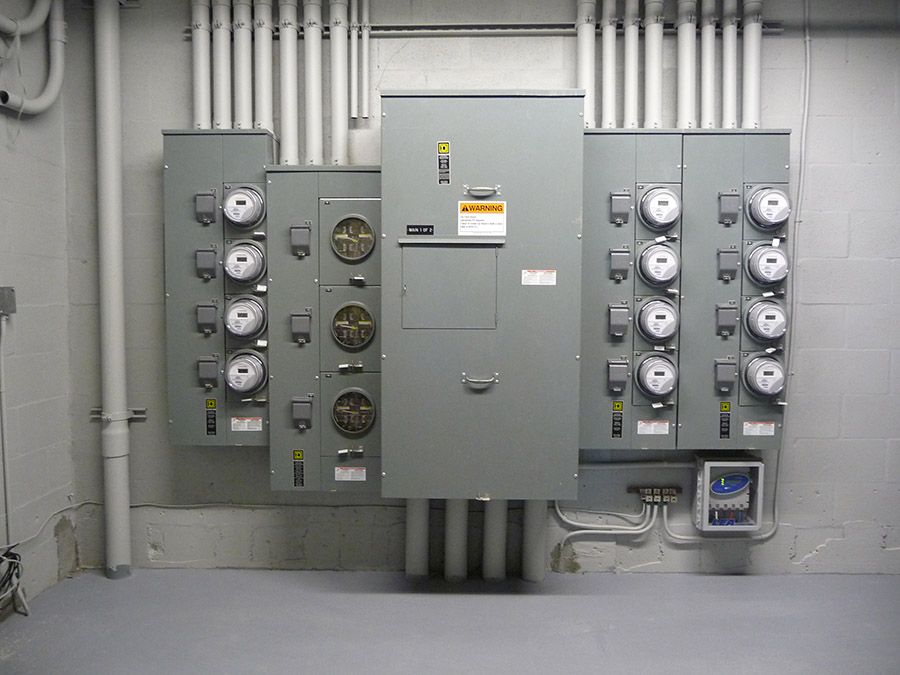
Comprehensive estimates detail equipment costs, labor, and expected savings using present utility pricing, space-specific usage data, and current incentive programs. Most clients see positive cash flow within 18-48 months depending on scope and electricity pricing.
Budget-Friendly Options
Strategic phased implementations allow homeowners to start with high-impact areas (kitchens, living rooms, exterior security lighting) and expand over time while capturing immediate savings to fund subsequent phases.
Handling Technical Worries
Professional teams provide complete turnkey service from initial consultation through final programming and user training, eliminating technical burden for homeowners while ensuring optimal configuration.
Compatibility Assurance
Strategic architecture focuses on systems with robust cross-platform support, open APIs, and active communities to prevent integration issues today and tomorrow.
Expert support converts worries into assurance. Contact us for a complimentary consultation.
Why Choose Us: Guaranteed Results And Expert Support

With more than three decades of continuous operation, deep familiarity with evolving California building codes, manufacturer certifications across major lighting platforms, and a client-first satisfaction guarantee, our team delivers consistently superior outcomes on smart home lighting installation initiatives of all sizes. From small-zone retrofits to comprehensive residence-wide lighting transformations paired with major remodeling, we enforce exacting quality measures, thorough project records, and proactive aftercare ensuring lasting excellence and client contentment.
Local Expertise and Compliance
Extensive familiarity with Contra Costa permitting procedures, Title 24 standards, seismic design needs, and utility rebate programs facilitates seamless approvals and optimal incentive capture for efficiency improvements.
Serving Cities Like Alamo, Danville, Lafayette

Proximity and local presence allow efficient scheduling, rapid response to site conditions, and deep understanding of neighborhood-specific architectural styles and homeowner preferences throughout the region.
Customer Testimonials
“Our Walnut Creek property feels entirely renewed—energy expenses fell substantially and ambiance suits family evenings and entertaining perfectly. Outstanding attention to detail.” – Sarah M., Walnut Creek
“The installation integrated flawlessly during our Danville kitchen renovation. Perfect coordination with other contractors and scene programming matched our preferences precisely. Extremely satisfied.” – Michael R., Danville
“After disappointment with inconsistent DIY smart bulbs, choosing professional installation changed everything. Reliability, scene performance, and energy savings improved dramatically. Highly recommended.” – Jennifer L., Lafayette
Real client experiences demonstrate consistent excellence. Contact us for a complimentary consultation.
We Can Help! Contact Us Today
United Constructors, at 1251 Stone Valley Rd, Alamo CA 94507, (925) 234-9023, focuses on smart home lighting installation alongside comprehensive kitchen remodeling, bathroom renovations, and thoughtful home additions. Operating throughout Contra Costa County cities such as Walnut Creek, Danville, Lafayette, Alamo, Orinda, Moraga, Pleasant Hill, San Ramon, Martinez, Concord, Antioch, Brentwood, and reaching into Alameda and Marin counties, we deliver demonstrated expertise on every undertaking. Our process continually achieves decreased utility bills, markedly better ambiance, improved home value, and true homeowner contentment through thorough planning and impeccable execution. Opting for qualified smart home lighting installation resolves the annoyance of high electricity costs, dim environments, and undependable do-it-yourself attempts while delivering rational advantages like confirmed energy conservation, code-adherent installations, improved resale value, and reassurance from long local experience and satisfaction guarantee. The emotional satisfaction of residing in a superbly lit, naturally responsive residence pairs strongly with the financial and practical gains of lower running costs and contemporary ease. Connect with us today to commence building your ideal illuminated living space.
United Constructors Inc.
Address: 1251 Stone Valley Rd Alamo, CA 94507Phone: (925) 234-9023
Email: [email protected]
United Constructors Inc.
Licensed Electrician Near Me Martinez, CA
Local Electrical Contractors Near Me Martinez, CA
Electric Contractor Near Me Martinez, CA
Electrician Contractor Martinez, CA
Residential Electricians Near Me Martinez, CA
Licensed Electrician Martinez, CA
Electrician Near Me Martinez, CA
Electrical Contractor Martinez, CA
Industrial Electrical Contractors Martinez, CA
Electrician Companies Martinez, CA
Residential Electrical Contractors Martinez, CA
Find An Electrician Near Me Martinez, CA
Electrician Martinez, CA
Electrical Contractor Near Me Martinez, CA
Electrical Contractors Martinez, CA
Certified Electrician Martinez, CA
Residential Electrician Martinez, CA
Residential Electrician Martinez, CA
Electrical Contractor Near Me Martinez, CA
Local Electricians Martinez, CA
Electricians In My Area Martinez, CA
Electrician Contractor Martinez, CA
Electric Contractors Martinez, CA
Electric Contractor Near Me Martinez, CA
Electrical Contractor Near Me Martinez, CA
Electrical Contractors Near Me Martinez, CA
Commercial Electrical Contractors Near Me Martinez, CA
Commercial Electrical Contractor Martinez, CA
Electrical Contractor Martinez, CA
Commercial Electrical Contractors Near Me Martinez, CA
Electric Contractor Near Me Martinez, CA
Electrical Companies Martinez, CA
Electrical Repair Service Martinez, CA
Residential Electricians Near Me Martinez, CA
Electrical Companies Martinez, CA
Residential Electrical Contractors Near Me Martinez, CA
Electrical Contractor Near Me Martinez, CA
Electrical Contractors Martinez, CA
Electrical Contractor Martinez, CA
Electrical Contractor Near Me Martinez, CA
Industrial Electrical Contractors Martinez, CA
Local Electricians Martinez, CA
Licensed Electrician Near Me Martinez, CA
Commercial Electrical Contractor Martinez, CA
Electrical Repair Service Martinez, CA
Commercial Electrical Contractors Near Me Martinez, CA
Residential Electrical Contractors Near Me Martinez, CA
Electrician Contractor Martinez, CA
Licensed Electrician Near Me Martinez, CA
Close To Seo For Small Business Martinez, CA
Best Seo Consultant Martinez, CA
United Constructors Inc.
Industrial Electrical Contractors Martinez, CA
Licensed Electrician Near Me Martinez, CA

Table of Contents
- – United Constructors Inc.
- – What Is Smart Home Lighting Installation and W...
- – Overview of Connected Lighting Basics
- – Role in Modern Home Upgrades
- – Key Benefits for Energy and Comfort
- – Compliance with Local Regulations
- – What Are the Best Smart Home Lighting Ideas fo...
- – Layered Lighting Strategies for Maximum Savings
- – Ambient Lighting with Circadian Rhythms
- – Task Lighting in Kitchens and Bathrooms
- – Motion Sensors and Automated Controls
- – Integration with Smart Thermostats
- – How Can Smart Lighting Enhance Home Ambiance?
- – Custom Scenes for Everyday Living
- – Warm Tones for Cozy Evenings
- – Dynamic Colors for Entertaining
- – Human-Centric Lighting Benefits
- – Bedroom Ambiance Ideas
- – Outdoor Ambiance with Smart Fixtures
- – Weather-Resistant Smart Options
- – Which Smart Lighting Systems Offer the Best En...
- – Philips Hue for Versatile Control
- – Energy Metrics
- – Lutron Caséta for Reliable Dimming
- – Retrofit Advantages
- – Brilliant In-Wall Solutions
- – Comparison Table
- – How to Integrate Smart Lighting During Home Re...
- – Step-by-Step Installation Process
- – Wired vs Wireless Options
- – Compatibility with Alexa, Google, Apple
- – Hub and Bridge Setup
- – Common Mistakes to Avoid
- – Professional Benefits
- – What Are the Top Energy-Saving Features in Sma...
- – Occupancy and Motion Sensors
- – Hallway and Bathroom Applications
- – Dimmers and Scheduling
- – App-Based Automation
- – Daylight-Linked Controls
- – ROI Timeline
- – Common Concerns About Smart Home Lighting Inst...
- – Addressing Cost and ROI
- – Budget-Friendly Options
- – Handling Technical Worries
- – Compatibility Assurance
- – Why Choose Us: Guaranteed Results And Expert S...
- – Local Expertise and Compliance
- – Serving Cities Like Alamo, Danville, Lafayette
- – Customer Testimonials
- – We Can Help! Contact Us Today
- – United Constructors Inc.
Latest Posts
Plumber Near Me Clogged Toilet Del Mar Heights
Torrey Pines Plumber Repairs Near Me
Residential Plumber Rancho Santa Fe
More
Latest Posts
Plumber Near Me Clogged Toilet Del Mar Heights
Torrey Pines Plumber Repairs Near Me
Residential Plumber Rancho Santa Fe